
Residential Electrical Repair Services: What to Know

Table of Contents
What Residential Electrical Repair Services Cover
Common Home Electrical Problems Homeowners Face
Flickering or Dimming Lights
Tripped Circuit Breakers
Dead Outlets or Outlets That Work Intermittently
Signs of Electrical Problems in a House You Shouldn't Ignore
When to Call an Electrician for Home Repairs
Getting an Electrical Repair Estimate
How to Choose a Licensed Residential Electrician
What to Expect During a Service Call
Frequently Asked Questions
Last Updated: October 14, 2026
What Residential Electrical Repair Services Cover
Residential electrical repair services address the full range of problems homeowners encounter with their home's electrical system. When you call for residential electrical repair, a licensed electrician diagnoses and fixes issues with outlets, switches, lighting, circuit breakers, wiring, and the main electrical panel. The scope can range from a simple outlet replacement to troubleshooting a complex wiring problem that's causing intermittent power loss.
At Thevenin Electric, we handle everything from the most common household repairs to the trickier diagnostics that require careful investigation. Not every electrical issue is obvious. Sometimes a problem shows up as flickering lights or a breaker that keeps tripping, but the root cause isn't immediately clear. That's where experience matters, a good electrician knows how to trace the problem back to its source rather than just replacing the first component that looks suspicious.
The work typically falls into two categories: repair (fixing something broken) and replacement (swapping out a failed component for a new one). Sometimes both are necessary. An outlet might need replacement because it's damaged, or a circuit breaker might need to be swapped because it's faulty. Understanding what you're paying for helps you evaluate an estimate properly.
Pro Tip If you're getting multiple quotes for the same repair, make sure each electrician is diagnosing the same problem. Two different diagnoses could mean one electrician didn't investigate thoroughly enough.
Common Home Electrical Problems Homeowners Face
Most of the calls we get involve a handful of recurring issues. Understanding what these problems look like helps you explain what's happening when you call for service, and it helps you recognize when something needs immediate attention versus when it can wait a few days.
Flickering or Dimming Lights
Lights that flicker or dim without a clear cause are one of the most common complaints. The problem might be as simple as a loose bulb or a failing fixture, or it could indicate something more serious happening in the circuit itself.
A single flickering light often points to the fixture or bulb. Try replacing the bulb first, it's the easiest fix. If that doesn't help, the fixture itself may be failing. But when multiple lights flicker at the same time, or when lights dim when you turn on a large appliance, the problem usually lives in the circuit or the main panel. Loose connections at the breaker, corrosion inside the panel, or an overloaded circuit can all cause this behavior. This is when you need a professional diagnosis.
Tripped Circuit Breakers
A breaker that trips occasionally isn't always a disaster. Circuit breakers are designed to trip when a circuit draws more current than it's rated for, protecting the wiring from overheating. If a breaker trips when you plug in a space heater and a microwave at the same time, that's the breaker doing its job, you're just overloading that circuit.
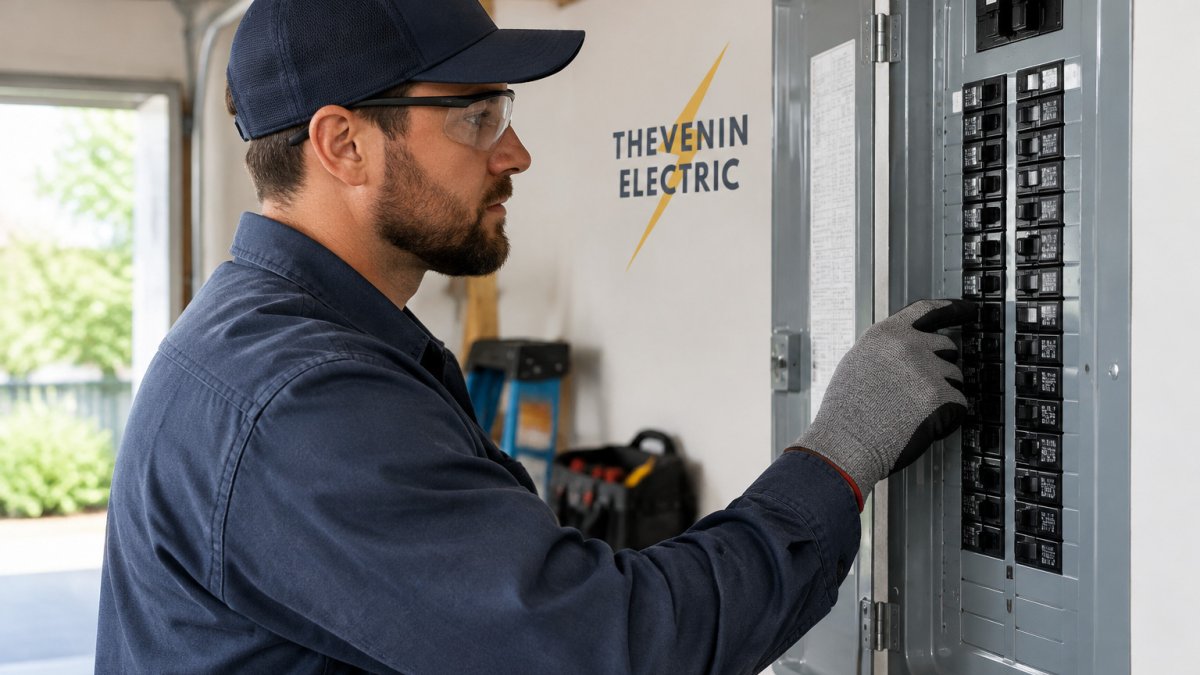
But a breaker that trips repeatedly, especially when nothing unusual is plugged in, signals a real problem. It could be a short circuit in the wiring, a failing appliance, or a ground fault. Resetting the breaker and hoping it doesn't happen again is not a solution. A licensed electrician needs to find out why the breaker is tripping so frequently.
Dead Outlets or Outlets That Work Intermittently
An outlet that doesn't work might be dead because the circuit is off, the outlet itself has failed, or there's a break in the wiring feeding that outlet. An outlet that works sometimes but not others is trickier, it usually means there's a loose connection somewhere, either at the outlet itself or upstream in the circuit.
Many homes have outlets controlled by a switch, which homeowners sometimes forget about. If an outlet suddenly stops working, check whether there's a switch that controls it. If the outlet is always supposed to be live and it's not, or if it's intermittent, that's a repair job.
Signs of Electrical Problems in a House You Shouldn't Ignore
Some electrical problems are warnings that something serious is developing. Learning to recognize these signs helps you decide whether to schedule service at your convenience or call for urgent attention.

Scorch marks or burn damage around outlets, switches, or the electrical panel are red flags. This indicates heat buildup, which usually means current is flowing through a bad connection.
A burning smell near an outlet, switch, or the panel is another serious warning. The smell of melting plastic or charred insulation means something is overheating. Stop using that circuit and call for service immediately. Don't assume the smell will go away on its own.
Outlets or switches that are warm to the touch are also concerning. A slight warmth might be normal during heavy use, but anything hot enough to be uncomfortable means too much current is flowing through a bad connection. This needs professional attention.
Buzzing or crackling sounds from outlets, switches, or the panel suggest arcing, electricity jumping across a gap where it shouldn't. This is a fire hazard and should be addressed right away.
Frequently blown fuses or tripped breakers, especially on circuits that aren't overloaded, indicate an underlying fault. The circuit breaker or fuse is protecting your wiring by shutting down the circuit, but the reason it's shutting down needs to be found and fixed.
Watch Out Never ignore repeated breaker trips or blown fuses. These are your home's safety systems working, but they're also telling you something is wrong. Ignoring the warning can lead to fire or shock hazard.
When to Call an Electrician for Home Repairs
Deciding whether to call a professional or try a DIY fix comes down to safety and complexity. Some electrical work is genuinely safe for homeowners to attempt. Other work should only be done by a licensed electrician.
Replacing a light bulb, resetting a tripped breaker, or checking whether an outlet is controlled by a switch, those are fine for homeowners. Replacing a light fixture, outlet, or switch is also within reach for someone comfortable working with electricity and willing to turn off the power first. But diagnosing why something isn't working, working inside the electrical panel, or running new circuits requires a licensed electrician. The stakes are too high and the code requirements too specific.
Call an electrician if you notice any of the warning signs mentioned above. Call if you're getting frequent breaker trips, if outlets or switches aren't working, if lights are flickering, or if you're not sure what's causing a problem. Call if you're planning to add a new appliance that draws a lot of power, a hot tub, electric vehicle charger, or large air conditioning unit. Call if you're doing a renovation and need to understand whether your electrical system can handle the new load.
Most homeowners call when something stops working or starts acting strangely. That's the right instinct. An electrician can diagnose the problem, explain what's wrong, and tell you what it will take to fix it.
Getting an Electrical Repair Estimate
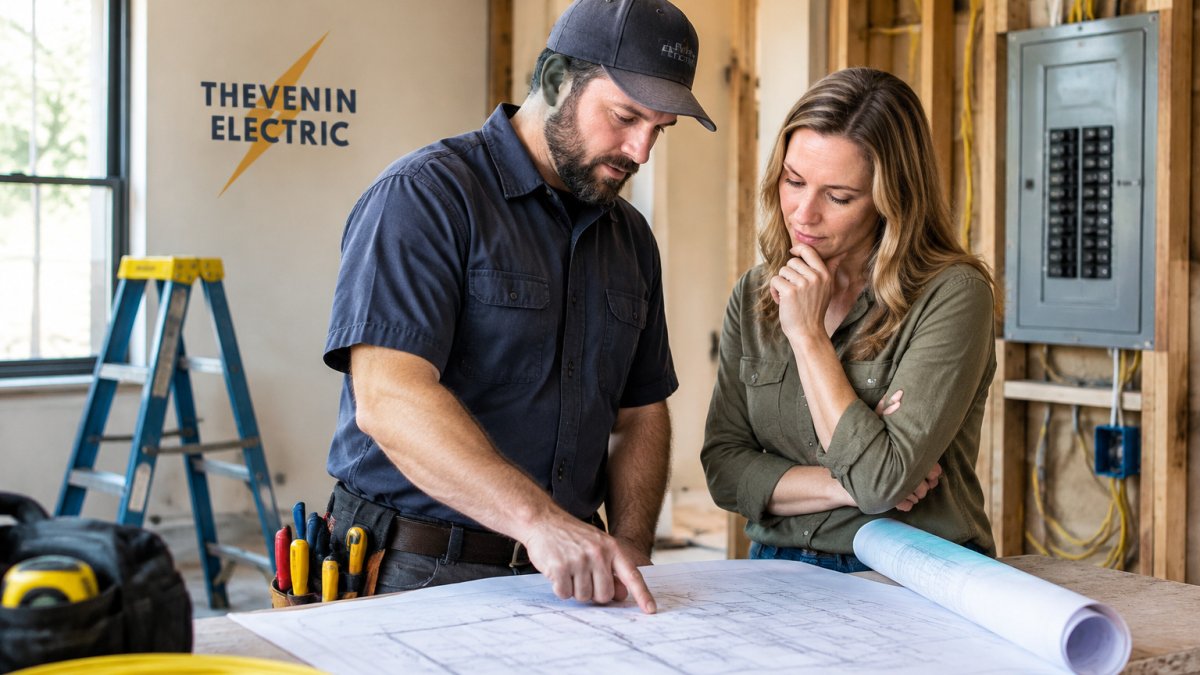
When you call for an estimate, describe what you've noticed, what's not working, when it started, whether it's consistent or intermittent. This information helps the electrician come prepared with the right tools and understand what to look for.
A good estimate should clearly describe the work to be done, explain what the electrician found, and state a total price. You don't necessarily need a detailed breakdown of labor and materials, though some electricians provide one. What matters is that you understand what you're paying for and that the scope is clear.
If an estimate seems vague or the electrician can't explain what the problem is, get a second opinion. Electrical work should be straightforward to describe. "Replace the outlet in the kitchen" is clear. "Fix the electrical problem" is not.
Before you commit, ask about the electrician's approach. Are they going to replace a component or repair it? Will they need to run new wire or can they work with what's there? Are there code requirements that affect the job? These questions help you understand the estimate and make sure you're not paying for unnecessary work.
Key Takeaway A clear estimate tells you exactly what work will be done and what it costs. If you don't understand the estimate, ask questions before the work starts.
How to Choose a Licensed Residential Electrician
The most important thing is that your electrician is licensed. A license means the electrician has met training requirements, passed exams, and is accountable to a licensing board. If an electrician isn't licensed, don't hire them, no matter how cheap they are.
Beyond licensing, look for an electrician who communicates clearly. You want someone who listens to what you're describing, asks good questions, and explains what they find in plain English. An electrician who makes you feel like you're wasting their time with basic questions isn't the right fit.
Ask whether the electrician is bonded and insured. Bonding protects you if the electrician fails to complete work or causes damage. Insurance protects you if someone gets hurt on your property. Both are standard for professional electricians.
Check whether the electrician participates in rebate or incentive programs if that matters to you. Thevenin Electric is an Energy Trust of Oregon Trade Ally, which means we can help homeowners understand whether they qualify for rebates on certain electrical upgrades. That's valuable if you're planning work that might qualify for incentives.
Ask for references or check online reviews, but remember that a new electrician might not have many reviews yet. What matters more is whether they're licensed, insured, bonded, and willing to explain their work clearly.
What to Expect During a Service Call
When the electrician arrives, they'll usually start by asking you to describe the problem. Show them where the issue is and explain what you've noticed. If you've already tried something, like replacing a bulb or resetting a breaker, mention that.
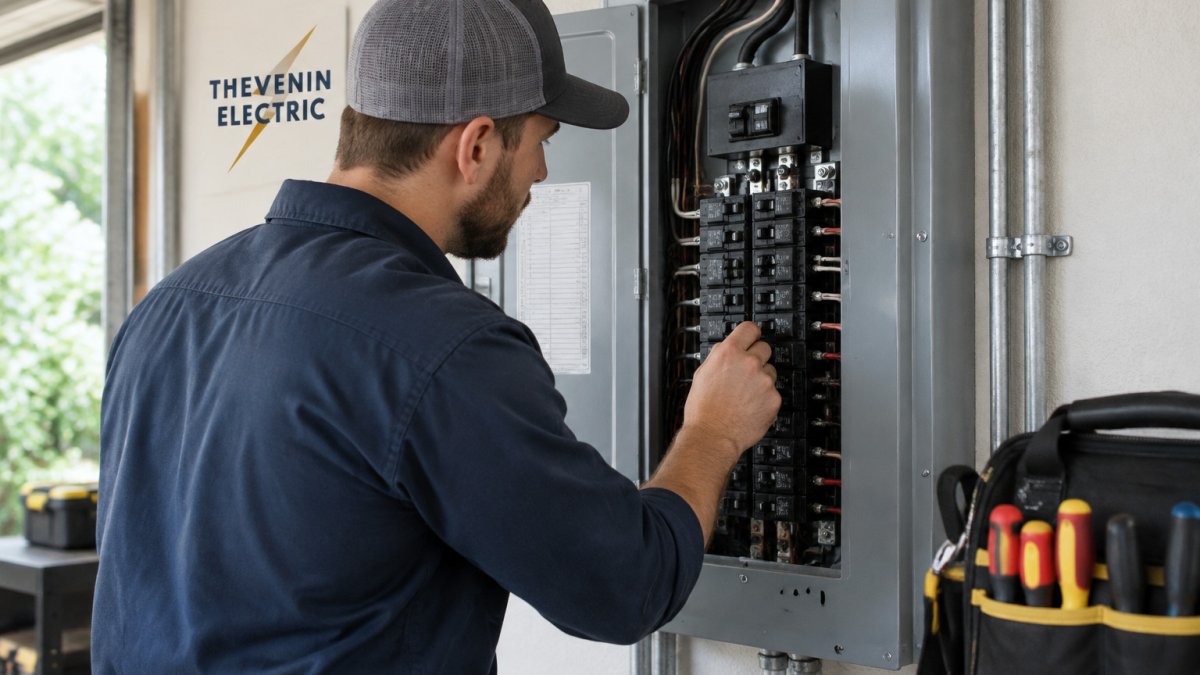
The electrician will then investigate. This might involve testing outlets with a meter, looking inside the panel, tracing wiring, or checking connections. The investigation is the most important part of the job, because you can't fix a problem you haven't properly diagnosed.
Once they've found the issue, they'll explain what's wrong and what it will take to fix it. If the repair is straightforward and matches the estimate you already got, they'll go ahead.
The actual repair or replacement usually happens quickly once the diagnosis is clear. They'll turn off the power to the circuit, do the work, test it, and restore power. A simple outlet replacement might take 30 minutes.
Before they leave, ask if there's anything else you should know about the repair. Is there anything you should watch for? Does anything need follow-up service? A good electrician leaves you feeling confident that the work is done right and that you understand what was fixed.
When electrical problems show up, they're usually telling you something needs attention. The good news is that most residential electrical repair work is straightforward once you know what's wrong. Finding a licensed electrician who takes time to diagnose properly and communicate clearly makes the whole process easier.
Frequently Asked Questions
What should I tell an electrician when requesting a residential electrical repair?
Be specific about what you've noticed: when the problem started, which outlets or lights are affected, whether the issue is constant or intermittent, and any sounds, smells, or visible damage. If a breaker tripped, mention how many times it's happened. This information helps the electrician diagnose the problem faster and come prepared with the right tools and parts.
How much does an electrical service call cost?
Service call costs depend on the complexity of the repair, whether parts need to be replaced, and your location. Rather than guess at a price, contact a licensed electrician for an estimate. Contact Thevenin Electric for an estimate.
Can a tripped breaker indicate a serious electrical problem?
A breaker that trips once might just mean you overloaded a circuit. But if the same breaker keeps tripping, it could signal a short circuit, ground fault, or overheating wire, all serious issues. A breaker that won't reset at all is also a red flag. Have a licensed electrician inspect it to rule out fire or shock hazards.
When should I call an electrician for a home electrical problem?
Call right away if you smell burning, see scorch marks, notice sparks, have outlets that don't work, or experience frequent breaker trips. Flickering lights, buzzing sounds, and warm outlets also warrant professional evaluation. Don't wait, electrical problems tend to worsen and can create safety risks. A licensed electrician can diagnose the issue and fix it safely.
Request a Quote
Comments