
Licensed Electrician for Panel Upgrade

Table of Contents
Why You Need a Licensed Electrician for Panel Upgrades
Signs You Need an Electrical Panel Upgrade
Panel Upgrade for EV Charger Installation
Electrical Panel Upgrade Permit Requirements
Understanding the Cost to Upgrade Electrical Panel
What to Expect During a Panel Upgrade
How to Choose Your Electrician
Frequently Asked Questions
Last Updated: October 21, 2026
Why You Need a Licensed Electrician for Panel Upgrades
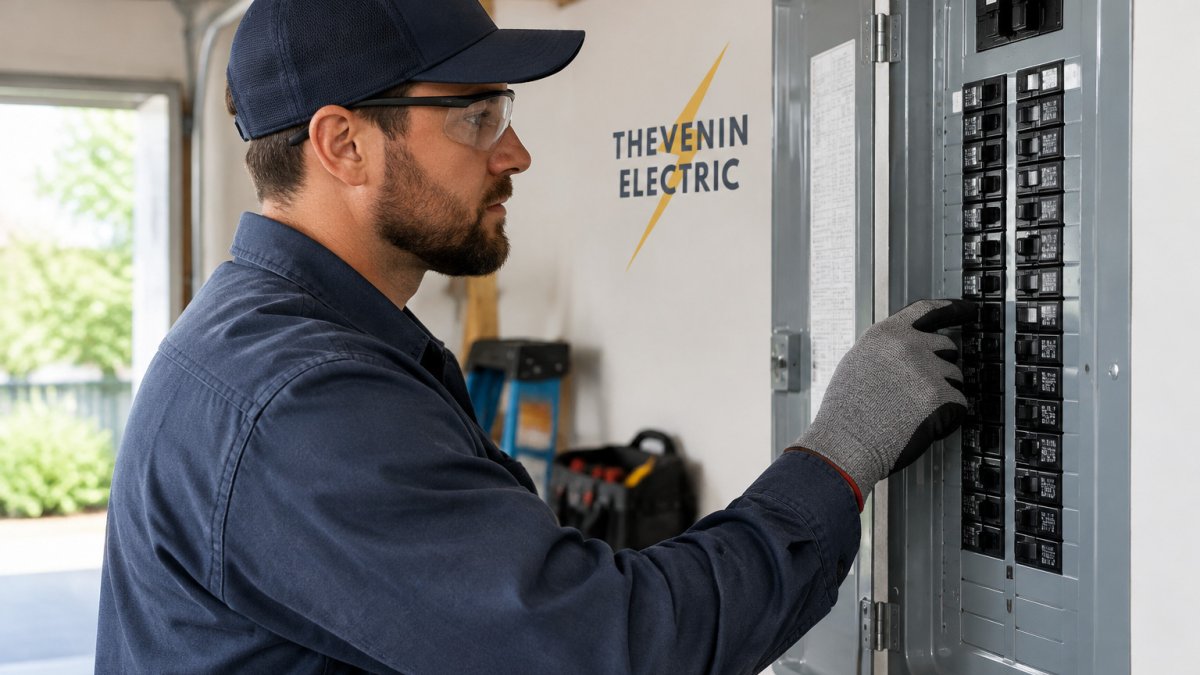
Hiring a panel upgrade electrician who is licensed isn't a luxury, it's a requirement. Panels are the backbone of your home's electrical system, and working inside them carries serious risks. Only a licensed electrician has the training, insurance, and legal standing to do this work safely and to code.
A licensed electrician understands Oregon's electrical code, knows how to pull the right permits, and can coordinate with inspectors. They'll verify your existing wiring can handle the upgrade, identify safety issues, and ensure everything meets current standards. A licensed electrician is bonded and insured, which protects you if something goes wrong.
Many homeowners underestimate how complex a panel upgrade is. It's not just swapping equipment, it involves load calculations, potential service-line work, disconnecting and reconnecting live circuits, and local permitting. Doing it yourself or hiring an unlicensed person puts your home at risk and can void your homeowner's insurance.
At Thevenin Electric, we handle panel upgrades as a core service, working directly with the licensed electrician on every project from initial evaluation to final inspection so the job is done right and your home is safe.
Signs You Need an Electrical Panel Upgrade
Your electrical panel has a finite capacity. As your home's electrical demands grow, you may reach a point where your current panel can't keep up.
Frequent breaker trips are one of the clearest indicators. If breakers constantly flip when you run multiple appliances, your panel is telling you it's overloaded, a sign your system is working beyond its safe limits.
Flickering or dimming lights, especially when you turn on high-demand appliances like your air conditioner or electric range, suggest your panel doesn't have enough capacity for the load.
A panel that's warm to the touch or has a burning smell is a red flag. Heat buildup indicates resistance in the connections or an overloaded system, a fire hazard that needs immediate professional attention.
Older panels with limited breaker space may be functional but leave no room to add circuits for new appliances or rooms.
Planning a major addition or renovation often requires a panel upgrade. If you're adding a new room, installing a hot tub, or upgrading your HVAC system, the additional electrical load may exceed your panel's capacity.
A panel upgrade electrician can evaluate your panel, calculate your actual electrical load, and tell you whether an upgrade is necessary or if other solutions exist.
Panel Upgrade for EV Charger Installation
Installing an electric vehicle charger is one of the most common reasons homeowners need a panel upgrade. The type of charger and your home's existing electrical service determine whether an upgrade is required.
A Level 1 charger (standard 120-volt outlet) draws minimal power and typically needs no panel work, but it charges slowly, adding only 3 to 5 miles of range per hour.
A Level 2 charger (240-volt) is what most EV owners want. It requires a dedicated 40 to 60-amp circuit and can add 25 to 30 miles of range per hour.
However, if your home has a 100-amp service and you're already using most of that capacity for your existing loads, adding a Level 2 charger might push you over the limit. In that case, upgrading to 200-amp service becomes necessary.
Some Level 2 chargers include load-management technology that monitors real-time usage and adjusts the charger's draw to stay within your panel's capacity.
A licensed electrician will evaluate your current service, your EV charger requirements, and your home's overall electrical load to determine the most cost-effective solution. Sometimes a panel upgrade is unavoidable; other times, a managed charger or a new dedicated circuit solves the problem.
Electrical Panel Upgrade Permit Requirements
Oregon requires a permit for any electrical panel upgrade. This isn't bureaucratic red tape, it's a safety requirement that protects you and ensures the work meets code.
When you pull a permit, the local electrical inspector reviews the scope of work, verifies a licensed electrician is doing the job, and schedules inspections at key stages, typically one before the new panel is energized and a final inspection after completion.
The permit process also notifies your utility. If the upgrade involves a service-line change or new meter, the utility coordinates with the electrician and may need to upgrade the service drop from the pole to your home, work they handle, not the electrician.
Permits vary by jurisdiction. Some areas in the Willamette Valley have simplified processes; others take longer. A licensed electrician knows the local requirements and will handle the permitting on your behalf. They'll submit the application, coordinate inspections, and ensure all paperwork is complete.
Skipping the permit might seem like a shortcut, but it creates serious problems. When you sell, the buyer's inspector or lender will flag unpermitted work. Insurance claims related to it can be denied, and if there's an electrical fire, liability falls on you.
Understanding the Cost to Upgrade Electrical Panel
Panel upgrade pricing varies too much from home to home for a single number to mean anything. Understanding the cost structure lets you read a quote intelligently and compare bids on equal footing. A quote is really several separate costs bundled together, and knowing which is which tells you whether a bid is complete or just a starting point.
The main cost components are:
Equipment. The panel itself, the main breaker, branch breakers, and any grounding or bonding materials. Panel bus rating, main breaker rating, breaker spaces, and whether the panel is indoor or outdoor rated all affect equipment cost.
Installation labor. Disconnecting circuits, removing the old panel, mounting and wiring the new one, labeling, and testing. Accessibility, wire condition, and whether the service entrance needs rework drive this more than the panel brand does.
Permitting and inspection. Permit fees are set by the local jurisdiction and are usually a separate line item from labor and materials.
Utility coordination. If the service drop, meter base, or meter location changes, the utility performs that work on its own schedule and bills separately. That cost is not part of the electrician's quote.
Additional electrical work. Outdated wiring, undersized grounding, corroded connections, or code corrections discovered during the job add scope. A good quote states how these are handled, typically as a written change order approved before work continues.
Service capacity is a major driver. Moving to a larger service can require a larger service entrance, heavier conductors, and utility involvement, so the jump is rarely a straight-line price difference.
Pro Tip When you compare quotes, compare scope, not just the bottom line. Two bids can look similar until you notice one includes the permit, inspection coordination, and a new grounding electrode conductor while the other lists them as extras.
A written quote for a panel upgrade should make these clear:
The service capacity and panel rating being installed, and the number of breaker spaces
What is included in the price (equipment, labor, permit, inspection) and what is excluded
How the electrician handles utility coordination and any utility charges
How unexpected findings are priced and approved
Whether the price is a fixed total or an estimate subject to change
A clearly defined scope and a total price are perfectly acceptable, you don't need a line-by-line breakdown of every screw and wire nut. You do need enough detail to know what you're buying and what could change the number.
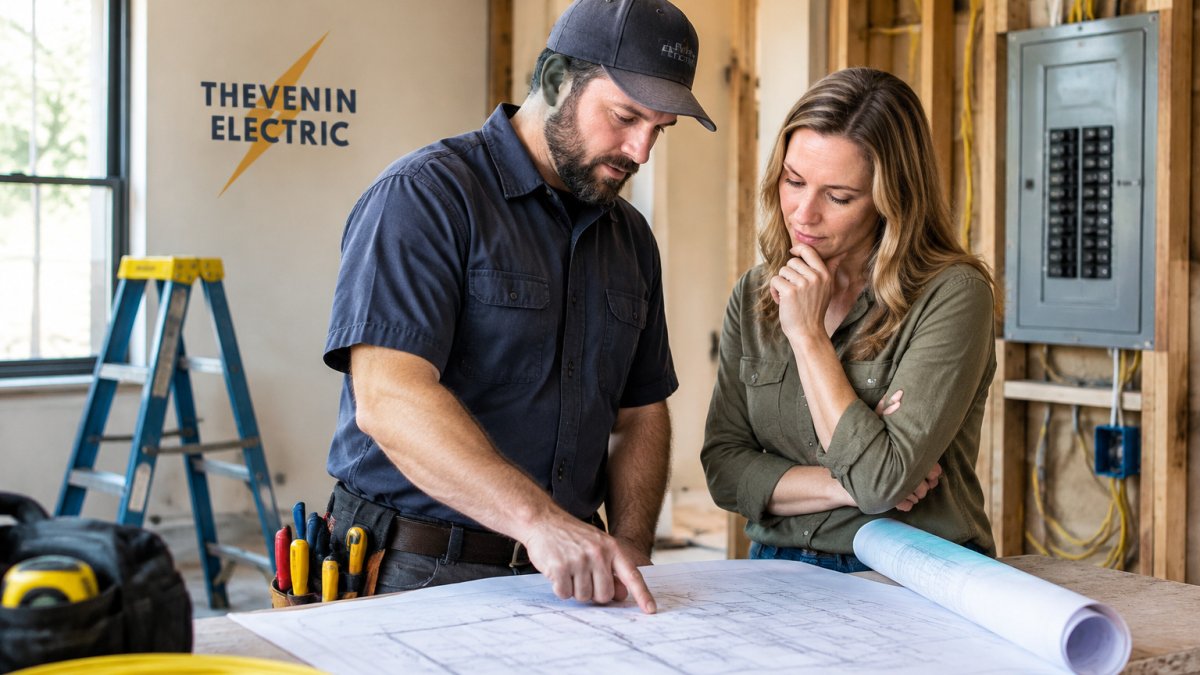
Rather than guessing at costs, get an evaluation of your specific service. Thevenin Electric will assess your panel, service entrance, and load, explain what the work involves, and give you a clear scope so you understand the factors that affect your final cost before you commit.
What to Expect During a Panel Upgrade

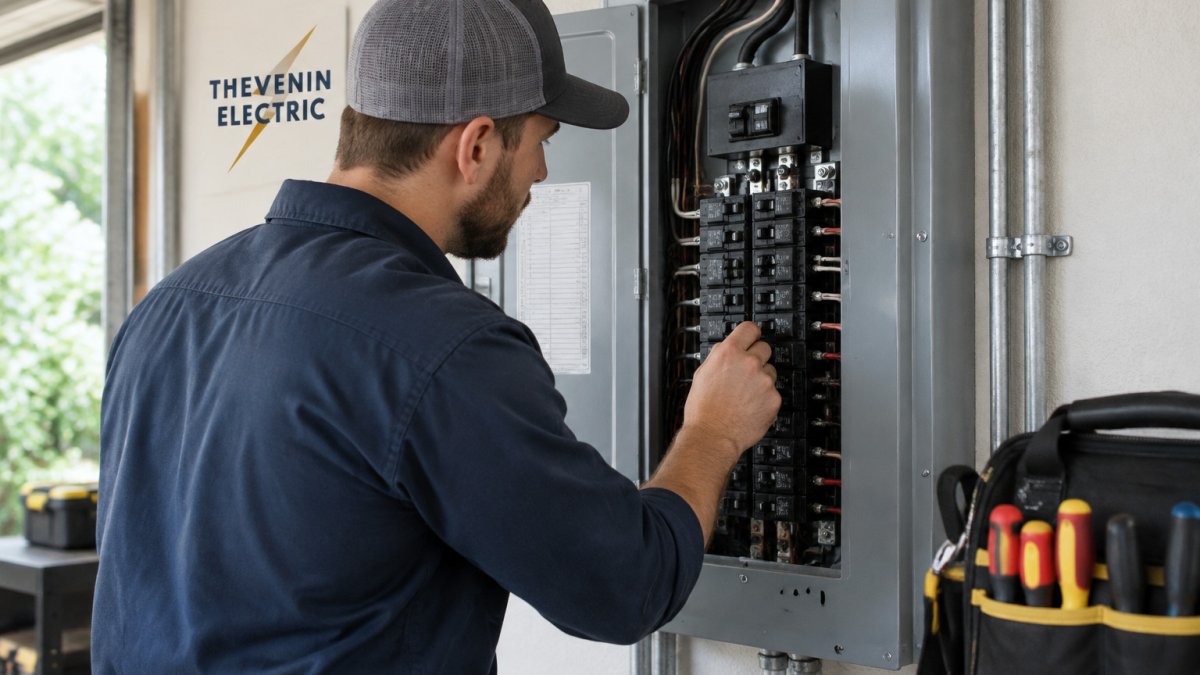
1. Evaluation and scope. The electrician examines the existing panel, service entrance, meter base, and grounding, and reviews your home's electrical load.
2. Permit application. A permit is submitted to the local jurisdiction before work begins.
3. Utility coordination. If the service drop, meter, or service entrance is changing, the utility must be scheduled to disconnect the service before work and reconnect it after inspection.
4. The work day. The utility disconnects the service at the meter, de-energizing the panel.
5. Inspection. The electrical inspector reviews the work, commonly a rough or pre-energization inspection and a final inspection, though the exact inspection schedule is set by the jurisdiction.
6. Reconnection and power restoration. After the inspection passes, the utility reconnects the service and power is restored.
Watch Out Plan for the home to be without power for the work day, and longer if utility reconnection is scheduled separately from the inspection. If you have medical equipment, a sump pump, or other critical loads, tell your electrician during scheduling so the plan accounts for it.
What varies most from job to job: whether the utility must change the service drop or meter, whether the jurisdiction requires plan review before issuing the permit, whether the service entrance or grounding needs rework, and whether existing wiring is in good enough condition to reconnect as-is. A good electrician flags these possibilities during the evaluation, not after the panel is open.
Expect clear communication at each stage, what is scheduled, what the utility controls, when the inspection is requested, and what happens if something unexpected turns up.
How to Choose Your Electrician
Hiring the right electrician matters. This is specialized work affecting your home's safety and electrical functionality, so base your choice on qualifications and reliability, not just availability or price.
Verify their license. Oregon requires electricians to be licensed and registered with the Oregon Construction Contractors and Electrical Board. You can verify a license online on the state's website.
Confirm they're bonded and insured. A licensed electrician carries liability insurance to protect you if something goes wrong. Ask for proof of current insurance before they start work.
Ask about their experience with panel upgrades. Panel work is specialized, and not all electricians do it regularly. One who handles panel upgrades frequently will move through the work efficiently and navigate permitting and inspection smoothly.
Check for Energy Trust of Oregon Trade Ally status. If your upgrade qualifies for rebates or incentives, working with an approved Trade Ally simplifies the process.
Get a clear, written scope of work and price. Understand exactly what's included, the panel, labor, permitting, inspection, any additional electrical work, and what happens if unexpected issues turn up. A vague quote leads to surprises later.
Ask for references.
Expect direct communication. You should be able to reach your electrician with questions. Clear, responsive communication is a sign of a professional who stands behind their work.
Frequently Asked Questions
When should a home electrical panel be upgraded?
Your panel may need an upgrade if you're experiencing frequent breaker trips, flickering lights, adding major appliances like an EV charger or hot tub, planning a home addition, or if your panel uses outdated technology. A licensed electrician can evaluate your current system and tell you whether an upgrade is necessary or if other solutions will work. Not every electrical issue requires a full panel replacement.
Do I need a permit for an electrical panel upgrade in Corvallis?
Yes, electrical panel upgrades require permits and inspections in Corvallis. Your electrician will handle the permit application and coordinate inspections with the local authority having jurisdiction. This ensures your work meets current electrical code and protects your home's safety and resale value. Unpermitted electrical work can create liability and insurance issues.
What factors affect the cost to upgrade an electrical panel?
Panel upgrade costs depend on whether you're replacing the panel itself, upgrading service capacity, the distance from the utility meter, local labor rates, permit fees, and whether additional work like new wiring or disconnects is needed. Equipment costs, installation complexity, and your area's specific code requirements all play a role. Request a quote that clearly defines the scope so you understand what's included.
Can a panel upgrade for an EV charger be avoided?
Not always. Some EV chargers operate at lower amperage levels, and approved energy management systems can reduce the electrical demand. Your electrician will evaluate your current panel capacity and the charger's requirements. If your existing service has spare capacity and the installation is code-compliant, you may avoid a full upgrade. A professional assessment is the only way to know for sure.
A panel upgrade is a significant project, but it's straightforward when you work with a licensed electrician who knows the process. If you're experiencing breaker trips, planning an EV charger installation, or simply want to evaluate whether your panel can handle your home's electrical needs, reach out to Thevenin Electric for an evaluation. We'll assess your situation, explain your options, and provide a clear path forward.
Request a Quote
Comments