
How to Plan Electrical Maintenance for Property Managers

Last Updated: October 28, 2026
Quick Summary
Electrical maintenance for property managers is the scheduled inspection, testing, and repair of a building's electrical systems before small faults become expensive failures. A written checklist and maintenance log help you track electrical issues instead of waiting until something stops working, while panel work and energized testing belong to a licensed electrician.
Test GFCI receptacles monthly in common areas and, with notice, inside units.
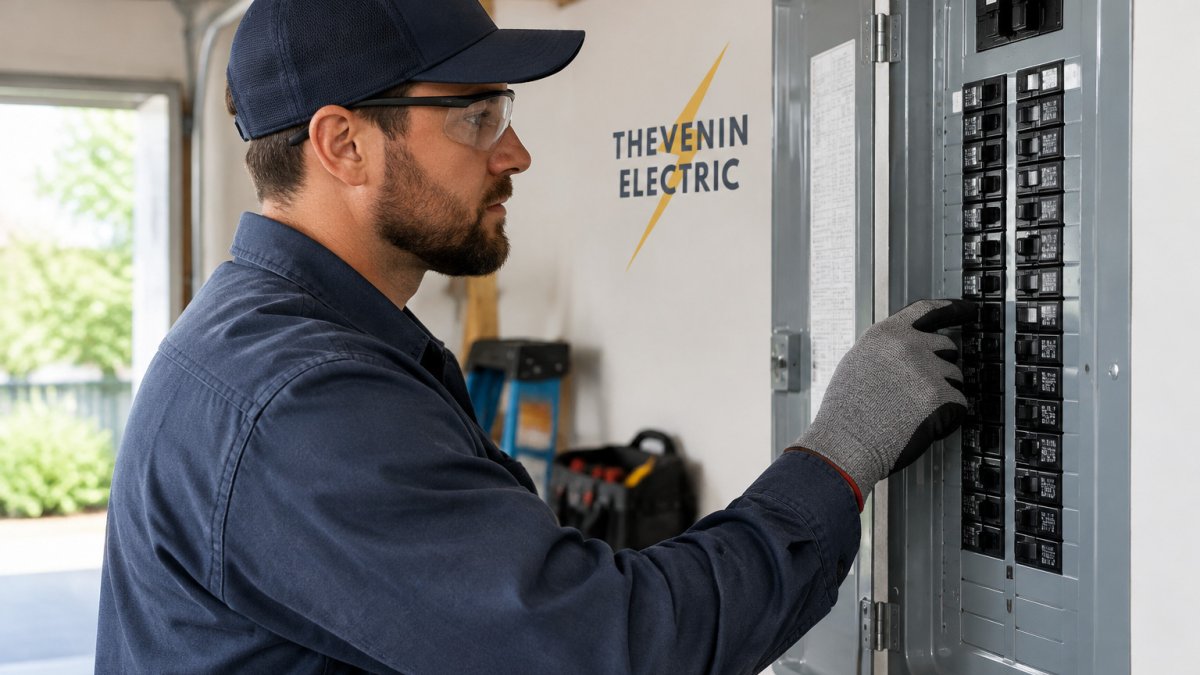
Never remove a panel cover or tighten a terminal unless you are a licensed electrician.
Use a three-tier emergency response: shut down and call, same-day call, or log and schedule.
Schedule a licensed electrician inspection of panels, service equipment, and grounding once a year.
Log every inspection with Finding, Action Taken, and Follow-Up Date fields.
Table of Contents
Electrical Maintenance for Property Managers: What It Covers and Why It Matters
Electrical maintenance for property managers is the scheduled inspection, testing, and repair of a building's electrical systems before small faults become expensive failures. A written maintenance routine can help property managers track electrical issues instead of waiting until something stops working.
That distinction matters more than most owners realize. A tripped breaker in one unit is an inconvenience. The same worn connection left alone for a year can mean a dead circuit, a hot panel, or a tenant calling after hours. Electrical safety guidance for landlords and tenants from the Oregon State Fire Marshal's office makes the point plainly: electrical fires are preventable, and prevention starts with regular inspection.
This guide covers electrical maintenance, problems worth escalating, and considerations for preventive work by property type.
Commercial Electrical Maintenance Checklist
A commercial electrical maintenance checklist is a written list of inspections and tests completed on a set schedule. It can help organize maintenance records.
A checklist can separate tasks that do not involve electrical work from tasks that require a licensed electrician.
What a manager or maintenance tech can check safely
Do not remove a panel cover, probe a receptacle, or tighten a terminal unless you are a licensed electrician.
Monthly walkthrough, common areas
Press the test button on every GFCI receptacle in shared restrooms, break rooms, laundry rooms, and exterior locations; confirm it trips and resets
Look for discolored, cracked, or painted-over cover plates and receptacles
Confirm panel doors close and latch and that the directory label matches the circuits actually in use
Note any breaker that has tripped since the last walkthrough, and which circuit it controls
Check that exit signs and emergency lights illuminate when tested with the test button
Walk the exterior at dusk to confirm parking lot, entry, and security lighting works
Monthly walkthrough, inside units (with proper notice)
GFCI test in kitchen, bath, and laundry
Visible scorch marks, warmth, or buzzing at receptacles and switches
Smoke and carbon monoxide alarm function using the test button
Daisy-chained power strips, space heaters, and tenant-added appliances that may overload a circuit
Quarterly
Review the maintenance log for repeat faults on the same circuit or unit
Confirm exterior lighting timers and photocells still switch at the right time
Inspect tenant-added equipment in office suites and retail spaces for obvious overload
What belongs to a licensed electrician
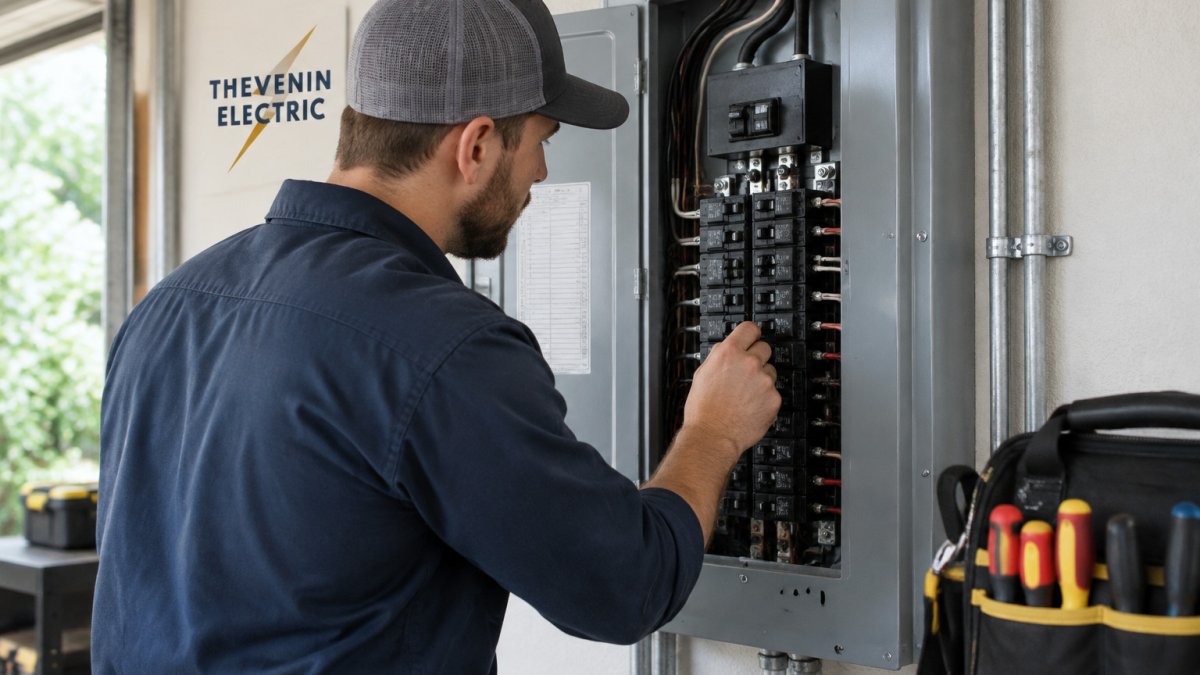
Anything involving opening a panel, testing energized conductors, torquing terminations, or evaluating a circuit for capacity belongs to a licensed electrician. That includes:
Thermal scan of panels, main lugs, and large terminations
Tightening accessible terminations and checking for corrosion or heat damage
Evaluating whether a circuit is overloaded versus failing
Any work on service equipment, subpanels, or grounding and bonding
Diagnosing repeated breaker trips rather than simply resetting them
Emergency triage: what to shut down, what to call about, what to schedule
This is the part most checklists leave out, and the part that matters at 9 p.m. on a Saturday. Use a three-tier response so staff and tenants know what to do without guessing.
Watch Out Tier 1, Shut down and call immediately. Burning smell from a panel or receptacle, visible smoke, scorch marks, a panel that is hot to the touch, buzzing or arcing at a panel, or a shock felt from an appliance or fixture. Do not reset the breaker. Isolate the circuit if it can be done safely from the panel without opening it, keep people away, and call a licensed electrician.
Tier 2, Same-day call, no shutdown required. A breaker that trips repeatedly, a circuit that is dead in one room, a receptacle that is warm but not hot, or lights that dim noticeably when a large appliance starts. These point to a connection or circuit problem and should be diagnosed before the next scheduled visit.
Tier 3, Log and schedule. A single failed exterior fixture, a loose cover plate, a GFCI that will not trip on test, or a switch that feels loose. These go on the log with a follow-up date and get handled on the next maintenance visit.
A note on what the checklist is not
The checklist does not replace a licensed inspection or certify a building. It is a management tool that proves you were paying attention, and when an electrician arrives, it tells them where to look first.
Common Electrical Problems in Commercial Buildings
Flickering lights, warm outlets, and breakers that trip without an obvious cause are the three most common electrical problems in commercial buildings, and all three point to a connection or circuit issue rather than a mystery. When a tenant reports flickering lights or a dead outlet, that is the moment to bring in electrical troubleshooting in Corvallis rather than wait for the next scheduled visit.
Watch out: a breaker that trips repeatedly and gets reset each time is a warning, not a nuisance. Repeated tripping warrants professional evaluation rather than repeated resetting.
Other issues worth logging:
Outlets that feel warm or show scorch marks
Buzzing or humming from a panel
Lights that dim when a large appliance starts
Missing or painted-over cover plates
Electrical Inspection Before Lease Renewal
An electrical inspection before lease renewal is a documented review of a unit's electrical condition completed before a new lease term begins.
Timing matters. Schedule the inspection after the outgoing tenant moves out and before the new one signs. That window lets you fix what the inspection finds without disrupting anyone.
What the inspection should cover:
Panel condition and available breaker space
GFCI protection in kitchens, baths, and laundry areas
Outlet and switch condition in every room
Smoke and carbon monoxide alarm function
Any unpermitted wiring added by a previous tenant
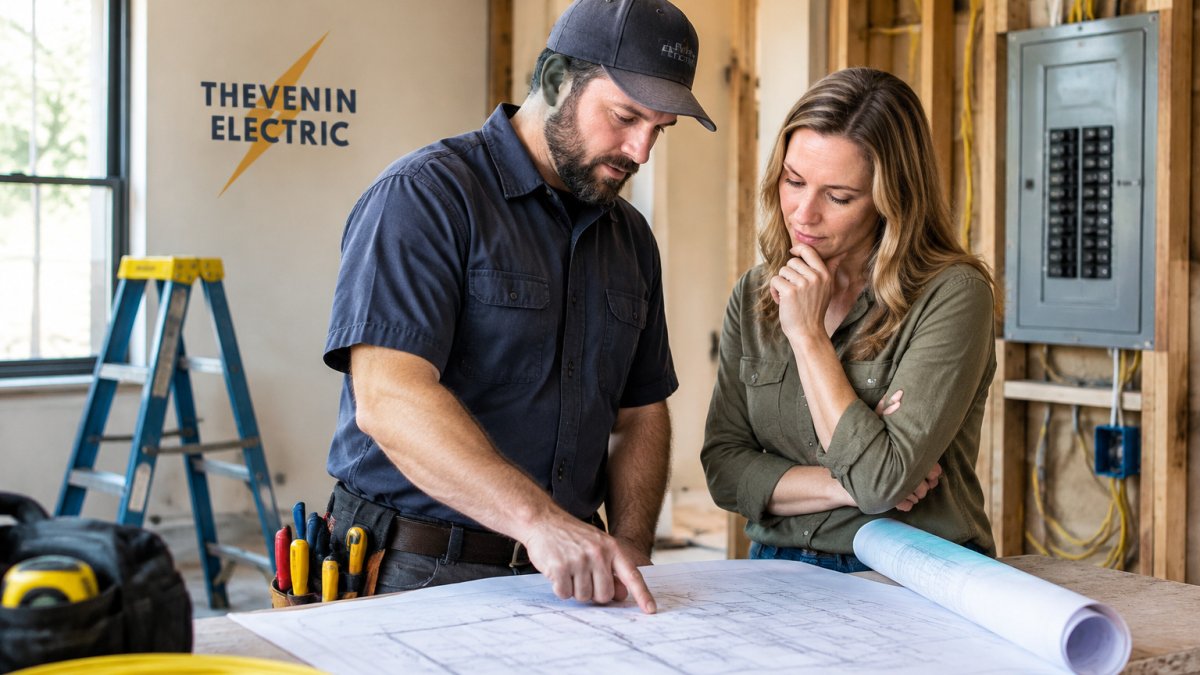
If a tenant plans to remodel or reconfigure a space, the renewal is also the natural point to scope tenant improvement work so the electrical plan matches the new layout instead of being retrofitted later.
Electrical Maintenance Log Template
An electrical maintenance log is a running record of every inspection, repair, and service call, organized by date and location. It can help property managers keep a record of electrical maintenance.
Copy this template into a spreadsheet and use one row per event:
Date | Building / Unit | Item Inspected | Finding | Action Taken | Vendor | Follow-Up Date |
03/14 | Bldg A, Unit 2 | GFCI, kitchen | Would not trip | Replaced outlet | Licensed electrician | 06/14 |
03/14 | Bldg A, panel | Annual thermal scan | No hot spots | None | Licensed electrician | 03/15 next year |
04/02 | Bldg B, parking | Lot lighting | Two fixtures out | Scheduled repair | Pending | 04/10 |
Three fields do the heavy lifting: Finding, Action Taken, and Follow-Up Date. A log without those three is just a receipt file.
Keep the log with the property records as a reference for maintenance history.
Scheduling Preventive Electrical Maintenance by Property Type
Schedules should match how a building is used, not a one-size calendar. A four-unit apartment building and a retail strip with commercial kitchen equipment have different loads, tenants, and failure points. Maintenance schedules can vary with a building's age, condition, and tenant mix.

The annual maintenance calendar
Every month
Manager walkthrough using the checklist above
GFCI test in common areas and, with notice, inside units
Exterior and parking lot lighting check at dusk
Log any breaker trips and note the circuit
Every quarter
Review the log for repeat faults by unit and circuit
Confirm exterior lighting timers and photocells
Inspect tenant-added equipment in office and retail spaces
Twice a year
Full walkthrough of every unit, including smoke and CO alarm testing
Check laundry rooms, kitchens, and any space with heat or moisture stress
Review panel directories against actual circuit use
Once a year
Licensed electrician inspection of panels, service equipment, and grounding
Thermal scan of panels and main connections
Test emergency and exit lighting per the manufacturer's instructions
Update the maintenance log and archive the prior year
Every two years (older or higher-load buildings)
Repeat thermal scan and termination check on panels
Evaluate whether tenant load has outgrown available breaker space or circuit capacity
At every turnover
Unit-level inspection before the new lease begins (see the lease-renewal section)
Confirm GFCI protection in kitchen, bath, and laundry
Test smoke and CO alarms
Document any unpermitted wiring added by the prior tenant
How property type shifts the calendar
Property Type | Walkthrough | Professional Inspection | What to watch |
Single-family rentals | Monthly | Annual | Inspect at every turnover |
Multi-unit residential | Monthly | Annual, panel scan every 2 years | Repeat trips in the same unit |
Small retail | Monthly | Annual | Signage, exterior lighting, tenant equipment |
Office suites | Monthly | Annual | Server racks, space heaters, added equipment |
Buildings with kitchens or laundry | Monthly | Twice yearly | Heat and moisture stress on terminations |
The two variables that actually move the schedule
Building age, tenant load, and the history of electrical problems are factors to consider when determining an appropriate maintenance schedule.
If breakers trip after a tenant adds equipment, have a licensed electrician evaluate the circuit. Do not increase a breaker's rating to stop tripping without a professional evaluation.
Turnover is its own schedule
A turnover can be a convenient time to review a unit's electrical condition while it is vacant.
If lighting upkeep is a concern, lighting and retrofit options may be relevant to review alongside the schedule.
Request a Commercial Electrical Maintenance Quote
Pricing for electrical maintenance depends on the building and the work involved. Visit Thevenin Electric's website for current pricing or request a quote.
When reviewing a quote, consider the scope of work and what it includes.
At Thevenin Electric, you work directly with the licensed electrician doing the job. We are licensed, bonded, and insured, and we are an Energy Trust of Oregon Trade Ally. We provide clear communication.
For property managers seeking commercial electrical services, see our commercial electrical services. When you are ready to set up a schedule, contact Thevenin Electric or call (541) 250-3503.
Frequently Asked Questions
What does electrical maintenance include for a commercial property?
Electrical maintenance can involve reviewing panels, circuits, outlets, switches, and lighting, as well as documenting repairs. The appropriate scope depends on the building and its electrical needs.
How often should a commercial property have its electrical system inspected?
Inspection frequency depends on the building's electrical systems, occupancy, and history of electrical problems. A licensed electrician can assess the property and discuss an appropriate schedule.
What should property managers check during a routine electrical walkthrough?
Note tenant reports of flickering lights, warm or discolored outlets, tripped breakers, burning smells, or damaged electrical equipment. Do not test electrical equipment or open a panel; contact a licensed electrician about concerns. A walkthrough is not a substitute for a licensed electrician's evaluation.
When should a property manager call a licensed electrician?
Contact a licensed electrician about burning smells, sparking, repeated breaker trips, hot outlets, exposed wiring, or planned electrical changes. Thevenin Electric serves property managers in Corvallis, Albany, and nearby communities.
The buildings that avoid emergency calls are not luckier. They have a checklist, a log, and an electrician who knows the property. If your portfolio is running on memory instead of records, start with one inspection and build the schedule from there. Get started with Thevenin Electric and put a maintenance plan behind every panel you own.
Comments