
EV Charger Installation for Multi-Unit Housing: A Step-by-Step Guide

Last Updated: October 23, 2026
Quick Summary
EV charger installation for multi unit housing requires assessing your building's electrical capacity, planning load management to prevent overload when multiple residents charge simultaneously, navigating permits and utility coordination, and establishing clear policies for resident access and billing.
Start with a professional electrical assessment to determine your panel's available capacity and breaker space before committing to a charging plan.
Smart charging systems and load management can allow you to install more chargers without upgrading your electrical service.
Level 2 chargers are the standard for apartments, drawing 16-40 amps and adding 25-30 miles of range per hour.
Building-owned chargers with assigned spaces and per-kWh metering is the most common approach for multi-unit housing.
Permits, electrical inspections, and utility coordination are required and add time and cost but prevent liability and safety issues.
Table of Contents
Why EV Charging Infrastructure Matters for Multi-Unit Housing
Step 1: Assess Your Building's Electrical Capacity and Site Conditions
Evaluate service panel capacity and load
Determine parking layout and charger placement
Step 2: Plan EV Charging Load Management for Apartments
Smart charging and power sharing systems
Level 1 vs. Level 2 charging decisions
Step 3: Understand Shared EV Charging Stations for Apartments
Dedicated vs. shared parking approaches
Charger ownership and operating responsibility
Step 4: Navigate Permits, Building Codes, and Utility Coordination
Step 5: Establish EV Charging Policies for Apartment Tenants
Resident access, authentication, and billing models
Step 6: Budget for EV Charger Installation Cost for Apartment Buildings
Equipment, installation, and permitting costs
Incentives and rebates available
Step 7: Commission, Test, and Maintain Your Charging Infrastructure
Frequently Asked Questions
Why EV Charging Infrastructure Matters for Multi-Unit Housing
EV charger installation for multi unit housing requires planning, electrical expertise, and coordination with residents and building management. Unlike single-family homes, apartments and condominiums involve shared electrical systems, parking constraints, and the need to balance resident demand with building capacity.
More residents want charging access, and property managers face pressure to offer it. But adding EV charging stations isn't as simple as plugging in a charger.
This guide covers the technical assessment, load management strategies, permitting, cost factors, and operational considerations that determine whether your project succeeds.
Step 1: Assess Your Building's Electrical Capacity and Site Conditions
Before you can install EV charging stations, you need to know what your building's electrical system can handle.

Evaluate service panel capacity and load
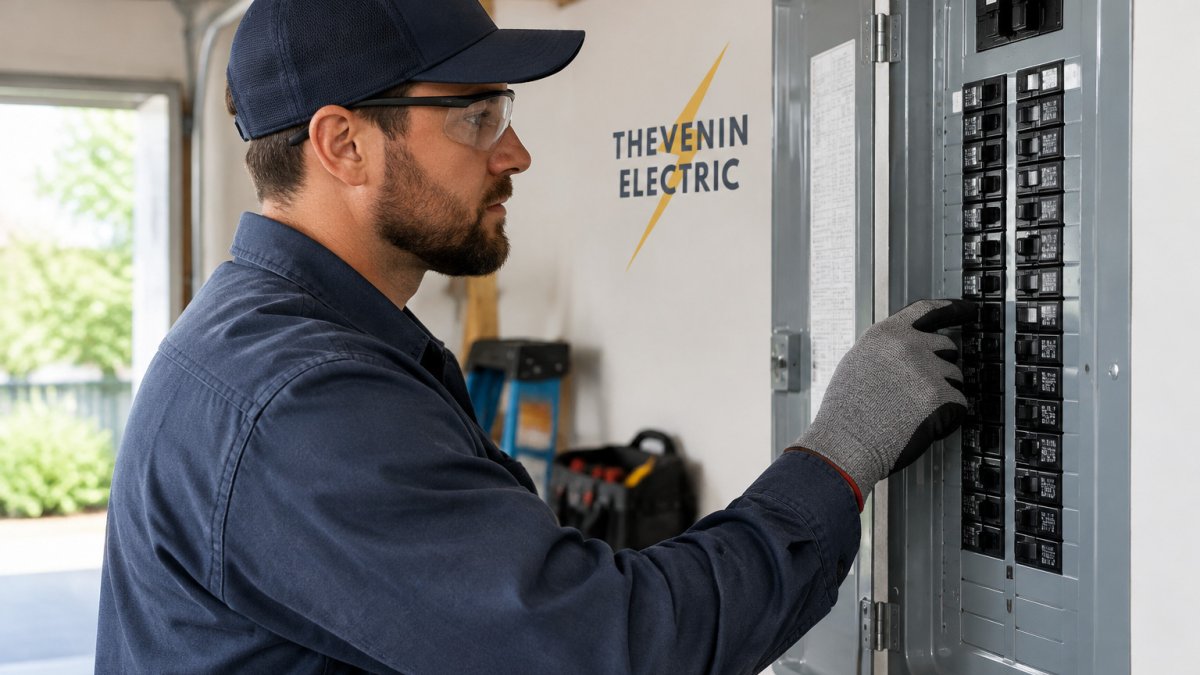
Your electrical service panel is the main distribution point for power throughout the building.
Here's what matters:
Service capacity is the total amperage your utility provides to the building. This is fixed by your utility agreement and cannot be increased without a service upgrade from the utility.
Available breaker space is the number of unused slots in your panel where new breakers can be installed.
Connected load is the total electrical demand when all circuits operate simultaneously.
When you add EV charging, the utility and local authorities want to know the expected load. A single Level 2 charger draws 30-40 amps continuous.
The solution isn't always a full service upgrade.
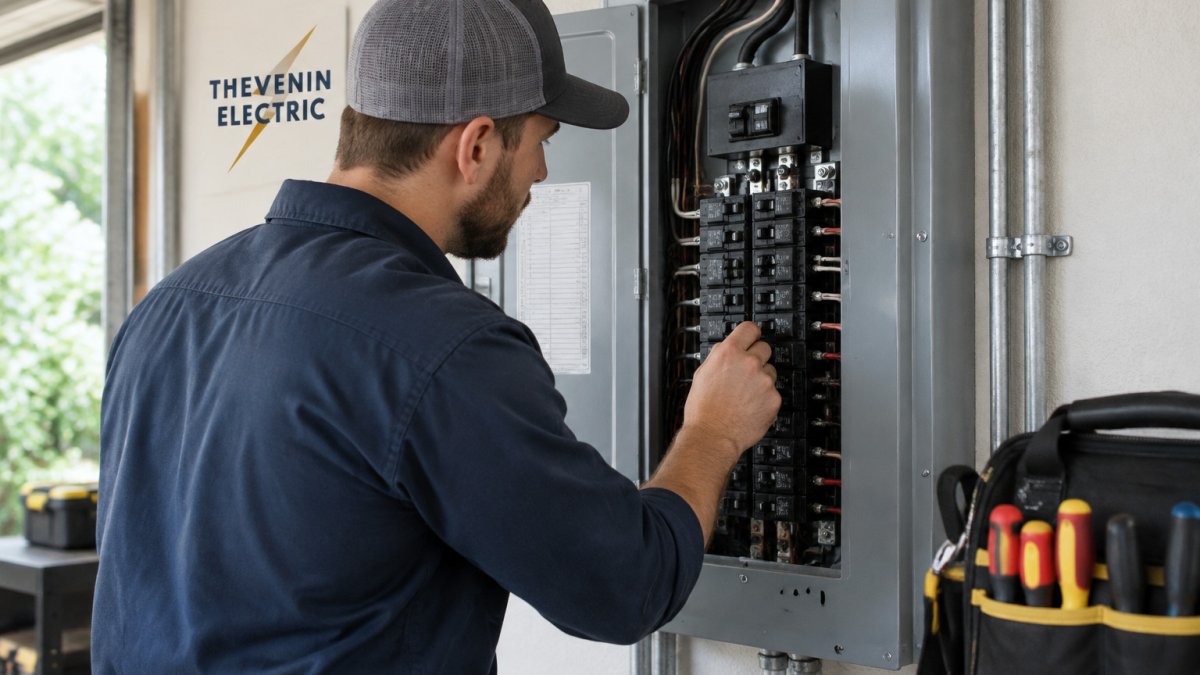
Start with a professional electrical assessment. An electrician evaluates your panel, available breaker space, and existing loads to determine what's feasible.
Determine parking layout and charger placement
Parking layout directly affects installation cost and resident access. Consider these factors:
Dedicated vs. shared parking. Dedicated spaces simplify billing and access. Shared parking requires a management system to allocate charging time fairly.
Indoor vs. outdoor installation. Outdoor parking requires weatherproof conduit and GFCI protection. Indoor garages may have height restrictions for overhead conduit runs.
Proximity to electrical infrastructure. Chargers near the service panel or existing electrical runs cost less to install.
Future expansion space, Plan for additional chargers even if you're installing just a few now. Leave conduit runs or panel space for growth.
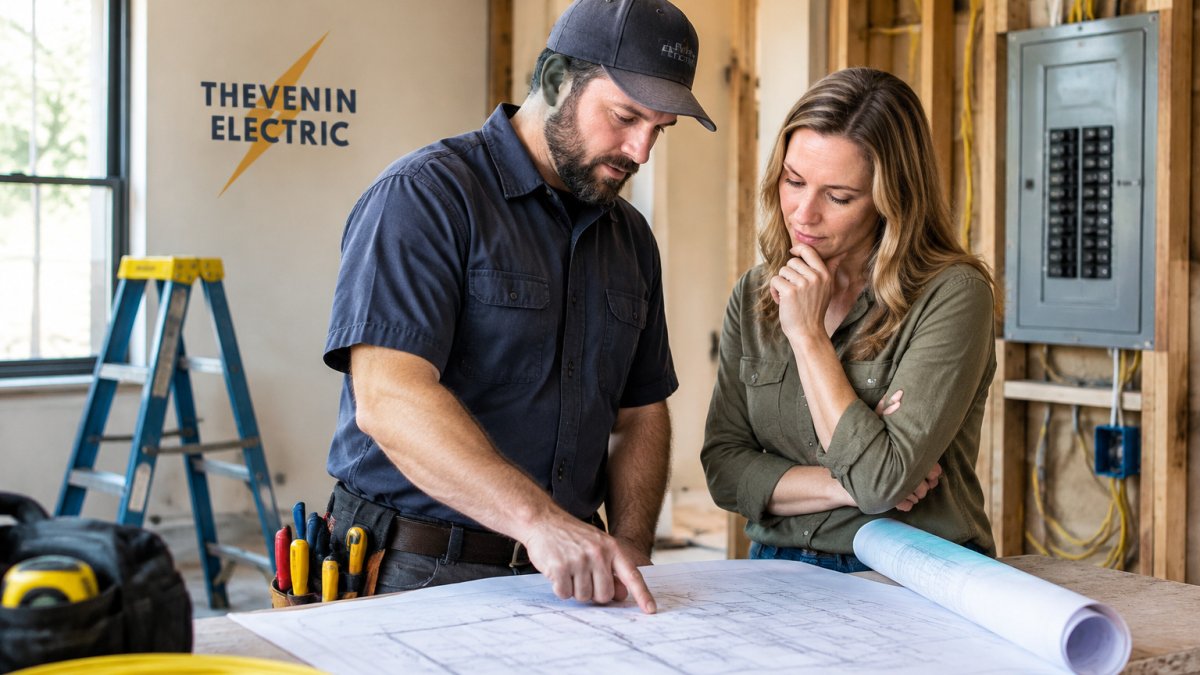
Walk your parking areas with an electrician to identify the best locations for chargers, electrical runs, and future expansion.
Step 2: Plan EV Charging Load Management for Apartments
EV charger installation for multi unit housing creates a load management challenge when multiple chargers operate in the same building. Without controls, residents charging simultaneously could exceed your building's electrical capacity.
Smart charging and power sharing systems
Load balancing distributes available power among active chargers.
Time-of-use management shifts charging to off-peak hours when electrical demand is lower.
Priority systems let residents reserve charging time in advance. A resident planning a long trip schedules a full charge, while others get reduced power that day.
These systems require networked chargers and management software. The upfront cost is higher, but they allow you to install more chargers without service upgrades.
Level 1 vs. Level 2 charging decisions
Level 1 chargers use a standard 120-volt household outlet and draw about 12-15 amps, adding 2-5 miles of range per hour. Installation is cheap because they use existing outlets, but charging is slow.
Level 2 chargers use 240-volt circuits and draw 16-40 amps depending on the model, adding 25-30 miles of range per hour. Installation requires new 240-volt circuits and costs more than Level 1, but charging speed is acceptable for overnight charging.
For multi-unit housing, Level 2 is the standard. Level 1 is too slow when residents share parking and charging time.
Some buildings use a mix: Level 1 in common areas for trickle charging and Level 2 in primary parking areas for overnight charging.
Step 3: Understand Shared EV Charging Stations for Apartments
Shared charging infrastructure requires decisions about ownership, operation, and how residents access chargers.
Dedicated vs. shared parking approaches
Dedicated parking assigns a specific charging space to each unit or resident, available to that resident at all times.
Shared parking means any resident can use any available charger. This maximizes the number of residents served by fewer chargers, but requires a reservation or access system to prevent conflicts.
Mixed approaches are common: some dedicated chargers for residents who own EVs, plus shared chargers in common areas.
Dedicated parking is simpler to operate but requires more chargers and electrical infrastructure. Shared parking uses fewer chargers but demands a management system and clear policies about charging duration and costs.
Charger ownership and operating responsibility
Building-owned chargers. The property owner purchases, installs, and maintains the chargers. Residents pay a fee (per kWh, per session, or included in rent).
Resident-owned chargers. Individual residents purchase and install chargers in their assigned spaces.
Third-party operator, A charging network company owns and operates the chargers. The building provides space and electrical access. The operator handles billing, maintenance, and customer service.
For multi-unit housing, building ownership is most common. It gives the property management direct control over access, billing, and maintenance.
Step 4: Navigate Permits, Building Codes, and Utility Coordination
EV charger installation requires permits and must comply with electrical codes and utility rules.
Building permits are required for charger installations in most jurisdictions.
Electrical inspections occur after installation. An inspector verifies that the charger, wiring, breakers, and grounding meet code.
Utility coordination is necessary if your installation requires a service upgrade or affects the building's electrical agreement.
NEC (National Electrical Code) and Oregon amendments govern the technical requirements for charger installation, covering breaker sizing, conductor sizing, grounding, conduit, and safety disconnects.
The permitting process adds time and cost to your project, but it's essential.
Step 5: Establish EV Charging Policies for Apartment Tenants
Clear policies prevent disputes and ensure fair access to shared charging infrastructure.
Resident access, authentication, and billing models
Access control determines who can use each charger:
Assigned chargers, A resident has exclusive access to a specific charger via a key fob, RFID card, or app login.
First-come, first-served, Any resident can use any available charger. A timer limits charging duration to prevent monopolization.
Reservation system, Residents book charging time in advance through an app or management portal.
Billing models determine how residents pay for electricity:
Included in rent, The property covers charging costs. Simplest for residents but requires the building to absorb electricity costs.
Per-kWh metering, Residents pay for the actual electricity consumed. Requires smart meters on each charger to track usage.
Per-session fees, A flat fee per charging session regardless of energy used. Simple to administer but may not reflect actual costs.
Tiered pricing, Different rates for peak and off-peak hours to encourage off-peak charging.
Most multi-unit buildings use assigned chargers with per-kWh metering or flat session fees. This balances simplicity with fair cost allocation.
Document your policies clearly: who can charge, how long they can charge, what it costs, and what happens if someone monopolizes a charger. Communicate these policies to all residents before chargers go live.
Step 6: Budget for EV Charger Installation Cost for Apartment Buildings
Installation costs vary widely based on your building's electrical infrastructure, parking layout, and the number of chargers.
Equipment, installation, and permitting costs
Charger equipment ranges from basic Level 2 units to networked smart chargers with load management. Equipment cost is one factor, but not the largest.
Electrical work includes new circuits, conduit runs, breaker installation, and grounding. This is typically the largest cost component.
Structural work may include concrete cutting, trenching, or conduit through walls or under pavement.
Permitting and inspections add fees and time to your project. Fees vary by jurisdiction and project scope.
Design and engineering may be required for complex installations or service upgrades. An electrical engineer designs the system to meet code and utility requirements.
Factors affecting total cost:
Number of chargers
Distance from service panel to chargers
Whether chargers are indoor or outdoor
Whether the parking lot requires trenching
Whether a service upgrade is needed
Local labor rates and permitting fees
Whether you use smart charging and load management systems
Request detailed quotes from licensed electricians that break down equipment, labor, permitting, and other costs.
Incentives and rebates available
Several programs offer rebates or incentives for EV charging installations:
Energy Trust of Oregon, As an Energy Trust of Oregon Trade Ally, Thevenin Electric can help you explore rebates for qualifying EV charging projects. Eligibility and incentive amounts vary based on project type, location, and building characteristics. Contact the Energy Trust directly or work with your electrical contractor to determine what you qualify for.
Federal tax credits, Check IRS guidance on electric vehicle charging equipment tax credits for current federal incentives. Tax credit eligibility and amounts change periodically, so verify current requirements before planning your budget.
Utility rebates, Some utilities offer rebates for EV charging installations. Contact your local utility to ask about available programs and application procedures.
State and local incentives, Oregon and some local jurisdictions offer grants or rebates for EV charging. Research what's available in your area.
Incentive programs have specific eligibility criteria and application deadlines. Start the incentive application process early, some programs require pre-approval before installation begins.
Step 7: Commission, Test, and Maintain Your Charging Infrastructure
After installation, your chargers need testing, commissioning, and ongoing maintenance.
Commissioning means verifying that the chargers operate correctly and safely.
Load testing confirms that your load management system works.
Resident training helps people understand how to use the chargers, access the billing system, and report problems.
Ongoing maintenance includes regular inspections, software updates, and repairs.
Plan for maintenance as part of your operating budget. Neglected chargers fail when residents need them most, creating frustration and liability.
Installing EV charger infrastructure for multi-unit housing is complex, but manageable with proper planning.
Frequently Asked Questions
How do you install EV chargers in a multi-unit building?
EV charger installation for multi-unit housing follows a structured process: assess electrical capacity, plan load management, design the charging infrastructure, obtain permits, coordinate with utilities, install conduit and wiring, mount chargers, and commission the system. The specific approach depends on your building's electrical service, parking layout, and whether you're using dedicated or shared parking spaces. A professional site assessment determines what's feasible for your property.
What is EV charging load management for apartments, and why does it matter?
Load management distributes available electrical power across multiple chargers so they don't all draw maximum current simultaneously, which could exceed your service capacity. Smart charging systems and power-sharing technology allow buildings to serve more residents without expensive service upgrades. This is especially important for shared EV charging stations for apartments, where demand varies throughout the day. Lower-amperage charging and energy management systems may eliminate the need for a full service upgrade.
Who is responsible for maintaining shared EV charging stations for apartments?
Responsibility depends on your ownership model. If the building owns the chargers, the property owner or management company handles maintenance and repairs. If residents own individual chargers, they're responsible for their unit. For shared infrastructure, establish clear policies defining who covers routine maintenance, software updates, repairs, and liability. These details should be documented before installation begins and communicated to all residents.
What factors affect EV charger installation cost for apartment buildings?
Costs depend on electrical upgrades needed, number of chargers, charger type (Level 1 or Level 2), parking layout, distance from the service panel, permitting requirements, and whether utility coordination is needed. Equipment, labor, conduit, wiring, and inspection fees all contribute to the final cost. Incentives and rebates from Energy Trust of Oregon may offset some expenses. Request a detailed quote that breaks down these components so you understand what you're paying for.
Request a Quote
Add theveninelectric.com as a preferred source on Google →
Comments