
Electrical Code Compliance for Homeowners: What to Know

Last Updated: November 17, 2026
Quick Summary
Electrical code compliance means your home's wiring, outlets, panel, and equipment are installed and maintained to the National Electrical Code as adopted and amended in Oregon. Compliance is the gap between how a house was wired and what current code requires. Permits, inspections, and safety protections like GFCI and AFCI are the main ways to confirm it.
Compliance is measured against the NEC edition and amendments your local jurisdiction has adopted.
GFCI protection is required in bathrooms, kitchens, garages, and exterior outlets.
Permits typically include rough-in and final inspections before work is closed up.
Existing installations that were compliant when installed can generally remain in service.
Unpermitted work can cause problems with insurance claims and home sales.
Table of Contents
What Electrical Code Compliance Means for Your Home
Electrical code compliance means your home's wiring, outlets, panel, and equipment are installed and maintained to the standards set in the National Electrical Code (NEC) as adopted and amended in Oregon. I'm Dimitri, the owner of Thevenin Electric in Corvallis, and most of the homes I work in were built under rules that have changed since they went up. Compliance is the gap between how the house was wired and what current code requires.
Compliance doesn't mean every house must match the newest edition. Local jurisdictions adopt specific NEC editions with their own amendments, and that's the standard your work is measured against.
Think of it this way: the code is the minimum safe way to do the job, not a list of upgrades for its own sake. A compliant system is one a licensed electrician can stand behind and an inspector can approve.
Why Electrical Codes Protect You From Fire and Shock
Electrical codes exist mainly to prevent two things: electrical fires and electric shock. Most of the requirements you'll hear about trace back to one of those risks.
Grounding and bonding give fault current a safe path back to the source, so breakers trip instead of a wire or person becoming the path. GFCI protection cuts power in milliseconds when current leaks toward ground, which is why bathrooms, kitchens, garages, and outdoor outlets are required to have it (Easily Installed Device Protects Family Against Electrocution). AFCI protection watches for arcing faults that can start a fire inside a wall.
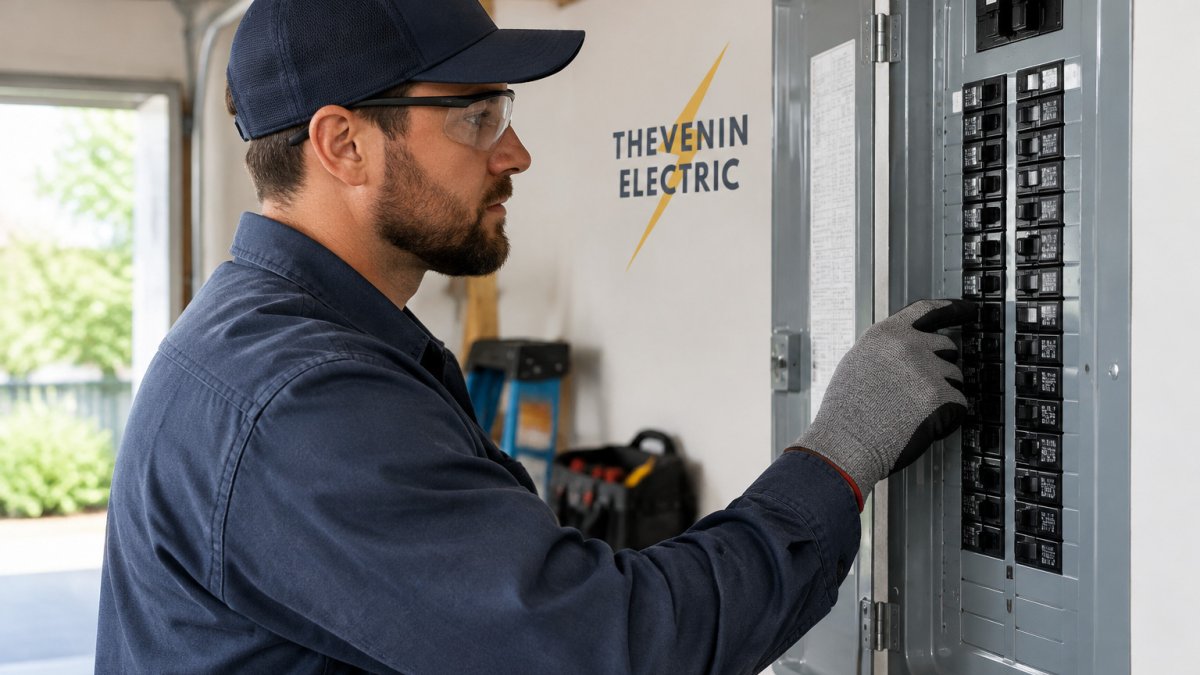
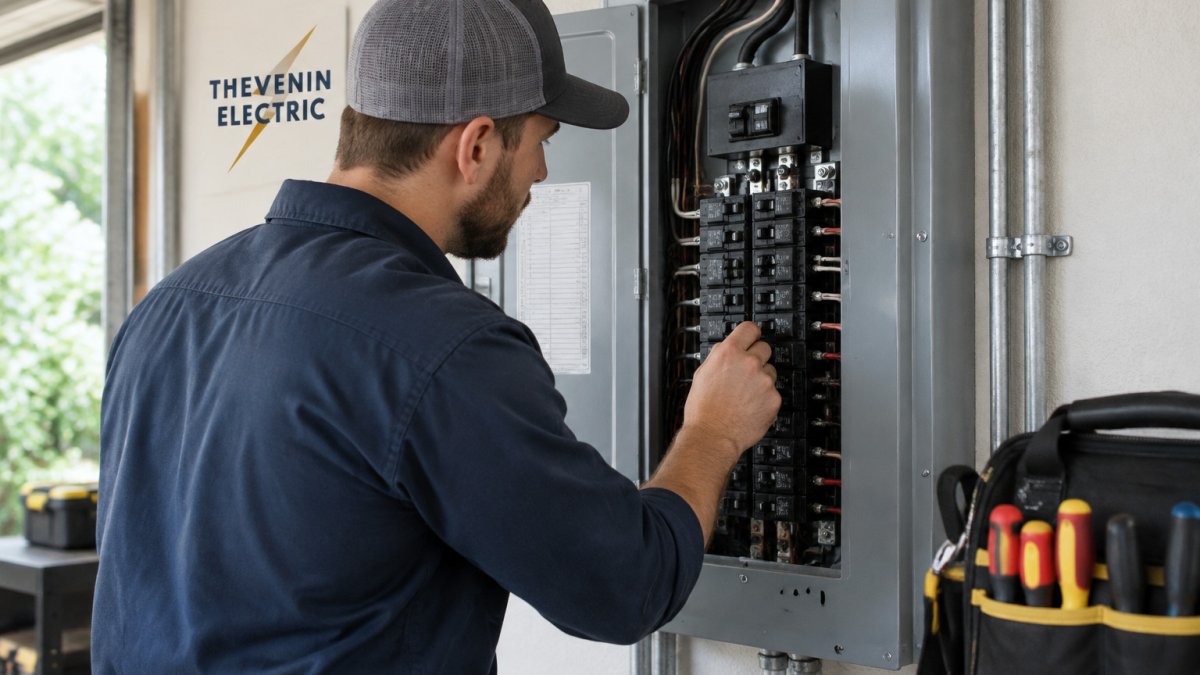
When I open a panel, I'm checking for the things these rules were written to catch: overheated connections, undersized conductors, breakers that don't match the wire, and missing protection where water and electricity are likely to meet.
Common Electrical Code Violations I See in Homes
These are the problems I run into most often in Corvallis, Albany, and Philomath homes:
Missing or non-functioning GFCI protection in bathrooms, kitchens, garages, and exterior receptacles.
Overloaded circuits from extension cords, daisy-chained power strips, or added appliances that were never planned for.
Double-tapped breakers, where two wires share one breaker terminal not rated for it.
Reversed polarity or open grounds in older two-prong outlets that were never updated.
Improper splices left in junction boxes without covers, or wire nuts hidden inside walls.
Unprotected cable passing through studs without nail plates, or cable run through drilled holes too close to the edge.
Panel clearance problems, such as storage piled in front of the panel.
A common mistake is assuming an outlet that works is safe. Many of these issues only show up under load or after years of heat cycling.
Electrical Permits and Inspections: How the Process Works
Many electrical projects require a permit, and an inspector verifies the work before it's closed up.
Who applies for the permit. Either the licensed electrician or the property owner can typically apply, depending on local rules.
What the rough-in inspection covers. Rough-in happens after wiring, boxes, and cable are installed but before drywall or insulation closes the walls.
Corrections. If the inspector writes corrections, the permit stays open until they are resolved and re-inspected.
Timelines. Inspection scheduling varies widely by jurisdiction. Some building departments offer next-day inspections; others are booked further out, especially during busy construction seasons.
Why it matters later. Unpermitted work can cause problems with insurance claims and home sales.
Watch out: if a contractor offers to do the work without a permit "to save time," ask why.
If you are unsure whether your project needs a permit, the fastest answer comes from your local building department.
Here is a quick look at the main stages of the permit and inspection process and what each one covers.
Stage | What the inspector checks | Timing |
Permit application | Scope of work and who is responsible | Before work starts |
Rough-in inspection | Hidden wiring, box fill, grounding, cable protection | After wiring, before drywall |
Final inspection | Devices, GFCI and AFCI function, panel labeling | After devices and fixtures are installed |
Corrections | Fixes required by the inspector | Re-inspected before permit closes |
Home Electrical Inspection Checklist, Room by Room
Here's what I check when I walk through a home. You can do a basic visual check yourself, but anything that involves opening panels or testing circuits belongs to a licensed electrician.

Panel: Clear space in front, no scorching or buzzing, breakers labeled, no double-tapped breakers, no rust or water.
Kitchen: GFCI outlets near the sink, no overloaded circuits, no cords running under rugs or behind appliances.
Bathrooms: GFCI protection on every receptacle, fans working, no outlets near tubs without protection.
Garage and exterior: GFCI on outdoor and garage outlets, weatherproof covers, no damaged cords.
Living areas: No outlets warm to the touch, no daisy-chained power strips feeding heaters or appliances.
Bedrooms: Smoke and AFCI protection where present, no flickering lights that change when devices turn on.
Attic and basement: Junction boxes accessible with covers, no exposed splices, cable protected where it passes through framing.
Warning signs to act on: burning smell, warm outlets or switches, breakers that trip repeatedly, flickering lights, buzzing, or discolored receptacles. Those mean call a licensed electrician.
Older Homes, Renovations, and Which Edition of the Code Applies
Older homes often weren't wired to today's code, and that's usually fine, since most jurisdictions allow existing installations to remain in service.
How the code edition is set. The National Electrical Code is published in editions, and each state or local jurisdiction adopts a specific edition, often with its own amendments.
What grandfathering actually means. Existing installations that were code-compliant when installed are generally allowed to remain in service. Grandfathering is not a blanket safety pass, though.
When a renovation triggers an upgrade. The trigger is usually the scope of the new work, not the age of the house.
Why the age of the house is a poor guide. Two houses built in the same year can have very different wiring, because previous owners may have added circuits, replaced panels, or made repairs under different code editions. The panel label, the permit history, and a visual inspection tell you more than the build date. I have opened panels in older homes where part of the work was clearly done recently and part was original, and the two were held to different standards.
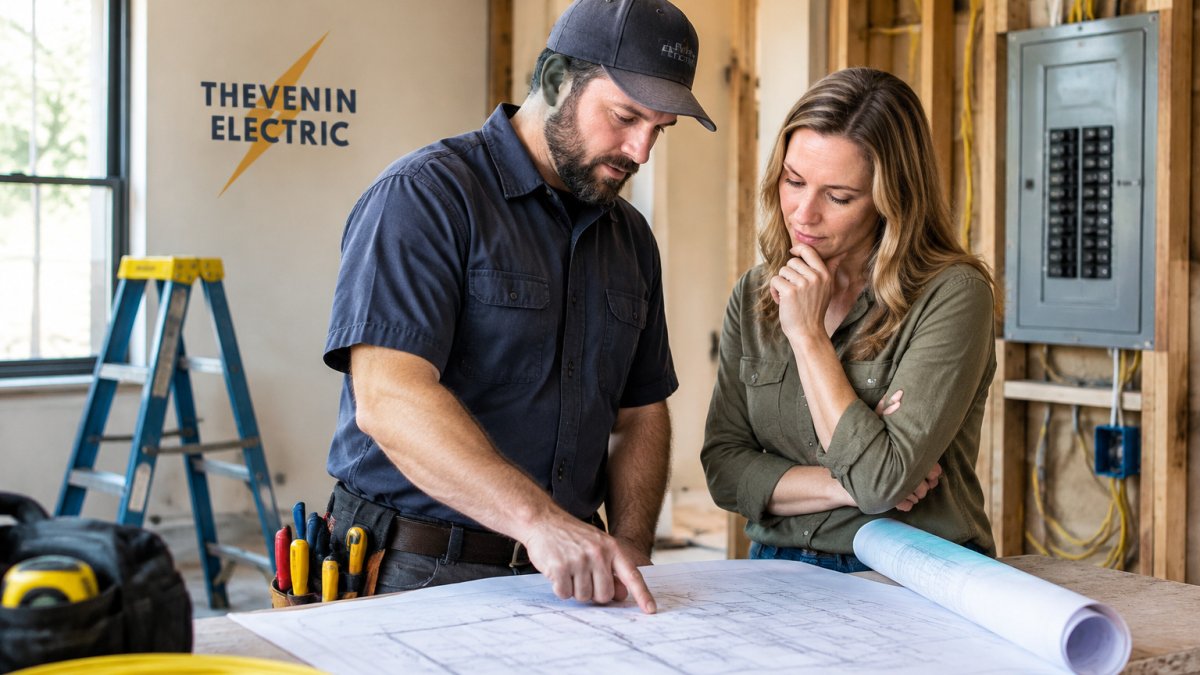
What to do before renovating. Before you open a wall or add a circuit, confirm three things with your building department or electrician: which code edition and amendments apply, whether the scope requires a permit, and whether the new work will trigger upgrades to the circuits being modified. Getting those answers before demolition is far cheaper than discovering them at rough-in.
Watch out: do not assume that because a previous remodel passed inspection, the same approach will pass today. The adopted edition and the inspector's interpretation of the scope can both change the answer.
If you are planning a renovation and want to know what the code will require for the work you have in mind, I can review the scope and explain the options before you commit to a plan.
Working With an Electrical Contractor on Code Compliance
When you hire someone for compliance work, ask a few direct questions:
Are you licensed for this scope of work in Oregon?
Will you pull the permit and schedule the inspections?
Who will be on the job site, and will you be the person doing the work?
What does the written scope include, and what does the total price cover?
At Thevenin Electric, I do the work myself and stay in touch throughout the project, which matters when a rough-in inspection turns up something that needs correcting.
Booking a Compliance Check for Your Home
If you're not sure whether your home's wiring is up to code, or you've noticed warning signs, a professional look is the fastest way to get answers. Thevenin Electric provides residential electrical services in Corvallis, Albany, Philomath, and nearby communities, and I'm happy to walk through your concerns and recommend what actually needs attention.
You can reach me through the contact page or call (541) 250-3503.
Frequently Asked Questions
What are some common NEC code violations?
Frequent findings include missing or damaged cover plates on boxes, outlets without proper grounding, overloaded circuits, improper splices made outside a junction box, and missing GFCI or AFCI protection where the National Electrical Code requires it. Many of these are simple to fix, but they matter because they can create heat, arcing, or shock hazards. A licensed electrician can check your home against the edition of the code adopted in your area and tell you which items need attention.
Is a homeowner allowed to do their own electrical work?
Rules vary by jurisdiction, but many areas allow homeowners to do some work on their own homes, usually under a homeowner permit. Even where it is allowed, electrical work carries real risk of shock and fire, and mistakes can be hard to spot. Work that affects the service, the panel, or new circuits generally calls for a licensed electrician. Check with your local building department before starting, and call a professional when you are unsure.
When does electrical work need a permit or inspection?
Most jurisdictions require a permit for new circuits, panel replacements or upgrades, service changes, and new wiring in additions or remodels. Minor repairs like replacing a switch or outlet may not need one, but local rules decide. Permits trigger an inspection, which confirms the work meets code before the wall is closed up. Ask your building department or electrician what applies to your specific project before work starts.
How can I tell whether electrical work in my home is code-compliant?
Start by looking for visible warning signs: warm outlets or switches, buzzing or burning smells, flickering lights, breakers that trip often, and two-prong outlets where grounding is expected. Check that panel labels are clear and that outlets near water have GFCI protection. Compliance details, such as conductor sizing and bonding, require a trained eye and access to the work. A licensed electrician can perform a compliance evaluation and explain any gaps in plain terms.
What should I do if I find an electrical code violation?
Do not try to fix a violation you do not understand, especially inside the panel or on live wiring. Turn off power to the affected area if it is safe to do so, and avoid using outlets or fixtures that feel hot or show damage. Contact a licensed electrician to evaluate the problem and recommend a code-compliant repair. If the work is part of a permitted project, the inspector will verify the correction before approval.
Do electrical codes change over time?
Yes. The National Electrical Code is updated on a regular cycle, and states and local jurisdictions adopt a specific edition, often with their own amendments. A home wired under an older code is not automatically unsafe, but new work usually must meet the code edition in effect when the permit is pulled. Ask your building department which edition applies to your project and whether any local amendments change the rules.
What are the key changes in the 2026 NEC residential code?
The 2026 edition of the National Electrical Code updates requirements that apply to residential wiring, and the exact changes depend on which edition your jurisdiction has adopted. Because adoption timing differs, the edition that governs your project may not be the newest one. Your local building department or a licensed electrician can confirm which edition applies and walk you through any changes that affect your work.
What electrical code requirements should homeowners know?
Homeowners should understand the basics: circuits need proper overcurrent protection, outlets in wet and damp areas require GFCI protection, bedroom circuits often need AFCI protection, and wiring must be properly grounded and bonded. Access to panels must stay clear, and junction boxes must remain accessible. Requirements vary by room, circuit, and jurisdiction, so an electrician should verify the details for your home.
Comments