
Commercial Lease Renewal: Electrical Safety Inspection Guide

Last Updated: November 7, 2026
Quick Summary
Electrical safety inspections for commercial lease renewals give you an accurate picture of your space's wiring, panels, and outlets before you sign another multi-year agreement. Review the lease first to confirm who is responsible for each electrical item, then schedule a licensed electrician to inspect and document conditions.
Review the lease's maintenance, alterations, compliance, and notice clauses before the inspection.
Build a responsibility table assigning each electrical item to the tenant or landlord.
Check the main panel for heat, corrosion, loose connections, and spare breaker space.
Sort findings into immediate hazards, repairs needed soon, and plan-for-later items.
Put any agreed electrical repairs into the renewal as written addendum or lease language.
Is your lease renewal coming up?
Thevenin Electric inspects commercial electrical systems and explains findings in plain terms.
Table of Contents
Why Lease Renewals Are the Right Time for an Electrical Safety Inspection
A lease renewal is one of the best moments to check the electrical system in your commercial space. The building has been in use for years, equipment has been added, and the people who wired it may be long gone. A common pattern in older commercial spaces is a business that expands, adds a few machines, and eventually finds the original panel running out of room.
Electrical safety inspections for commercial lease renewals give you a clear picture before you sign another multi-year agreement. You learn what condition the system is in now, not what it looked like when you moved in.
Renewal also gives you use. If the inspection finds problems, you can raise them with the landlord before the new terms are locked in, instead of paying for repairs out of your own budget later.
You see the real condition of wiring, panels, and outlets.
You document the space before the lease changes hands again.
You can negotiate repairs while terms are still open.
Step 1: Review the Lease and Confirm Electrical Responsibilities
Before anyone opens a panel cover, the lease decides who pays for what. Commercial leases often divide the electrical system into two parts: the base building, which includes the service entrance, main distribution panel, and the wiring that serves the shell of the space, and the tenant improvements, which are the circuits, panels, and fixtures added for a specific business.
Read the electrical sections with a pen in hand and pull out four things.
Maintenance and repair clauses. Find the sentence that says who maintains the electrical system and who pays for repairs. Some leases put all repairs on the landlord; others push everything inside the tenant space onto the tenant. The line is often drawn at the meter, the main disconnect, or the panel that serves only your suite.
Alterations and tenant improvement clauses. These control whether you can add circuits, a subpanel, or equipment, and whether you need written landlord approval first. If your business plans to add machinery during the next term, confirm the approval process now rather than mid-lease.
Compliance clauses. Look for language requiring the space to comply with applicable codes. This matters when an inspection finds older wiring or equipment that was legal when installed but does not meet current requirements for the way the space is used today.
Notice and cure periods. Note any deadlines for notifying the landlord of needed repairs and any window the landlord has to respond. Missing a notice deadline can shift a repair cost onto you.
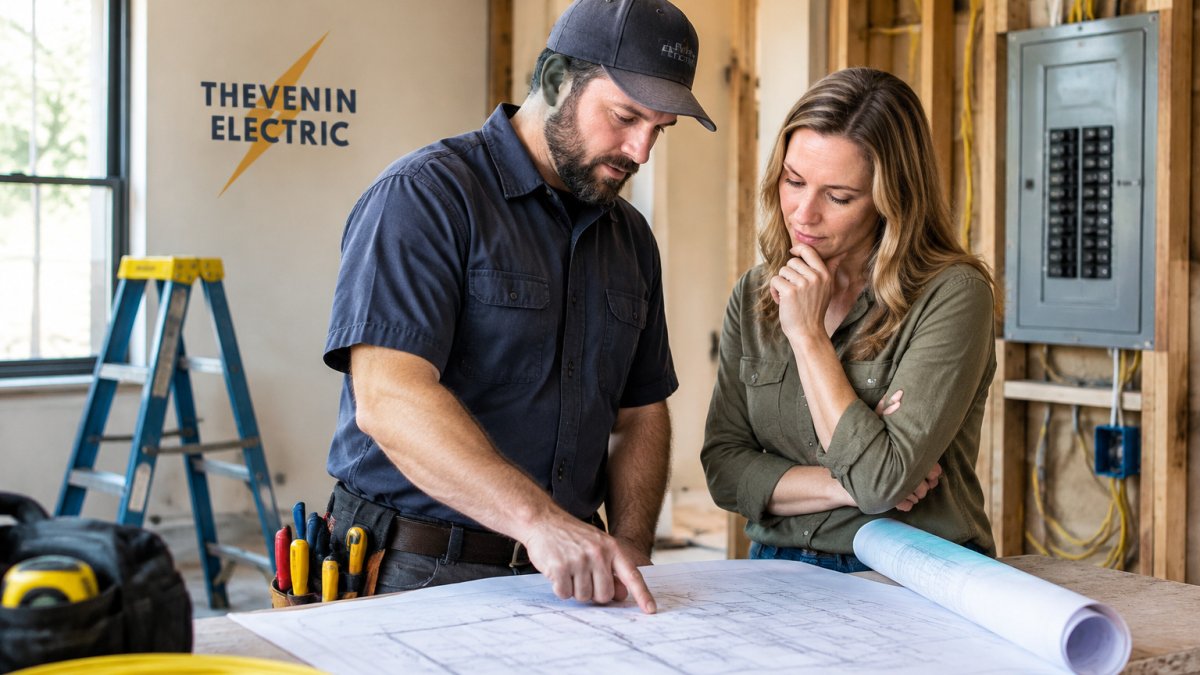
Then build a simple responsibility table before the inspection. List each major item, service entrance, main panel, subpanels, branch wiring, receptacles, lighting, HVAC connections, and any equipment you installed, and write down who the lease says is responsible for repair and replacement. Bring that table to the inspection so the electrician knows which findings belong to you and which belong to the landlord.
Watch out: a lease that says the tenant accepts the premises "as is" can still leave the landlord responsible for base-building systems, but the wording varies widely, so have the specific clause read by someone qualified to interpret it if the stakes are high.
Two practical habits make this step work. First, photograph and date the electrical conditions you can see at move-in and at renewal, so there is a shared record. Second, put any agreement about repairs into the renewal itself, an addendum, a side letter, or amended lease language, rather than a verbal understanding.
If the lease is silent on a system, treat that as a question to resolve, not a gap to assume away. Ask the landlord in writing which party owns the panel and the wiring behind the walls, and keep the answer with your lease file. That single exchange prevents most renewal disputes over electrical repairs.
Use this quick reference to sort electrical items by who the lease typically assigns them to before the inspection.
Item | Typical responsibility | Note |
Service entrance and main panel | Base building | Varies by lease wording |
Subpanels and branch wiring | Check the lease | Confirm in writing |
Receptacles and lighting | Tenant or landlord | Depends on maintenance clause |
Equipment you installed | Tenant | Usually yours to repair |
Code compliance | Check the lease | Review the compliance clause |
Commercial Electrical Inspection Checklist for Renewals
A good inspection covers the parts of the system that affect safety and capacity. A licensed electrician walks the space, opens the right covers, and records what they see. You can use the same checklist to prepare, so nothing gets overlooked.

Service Entrance and Main Panel Checks
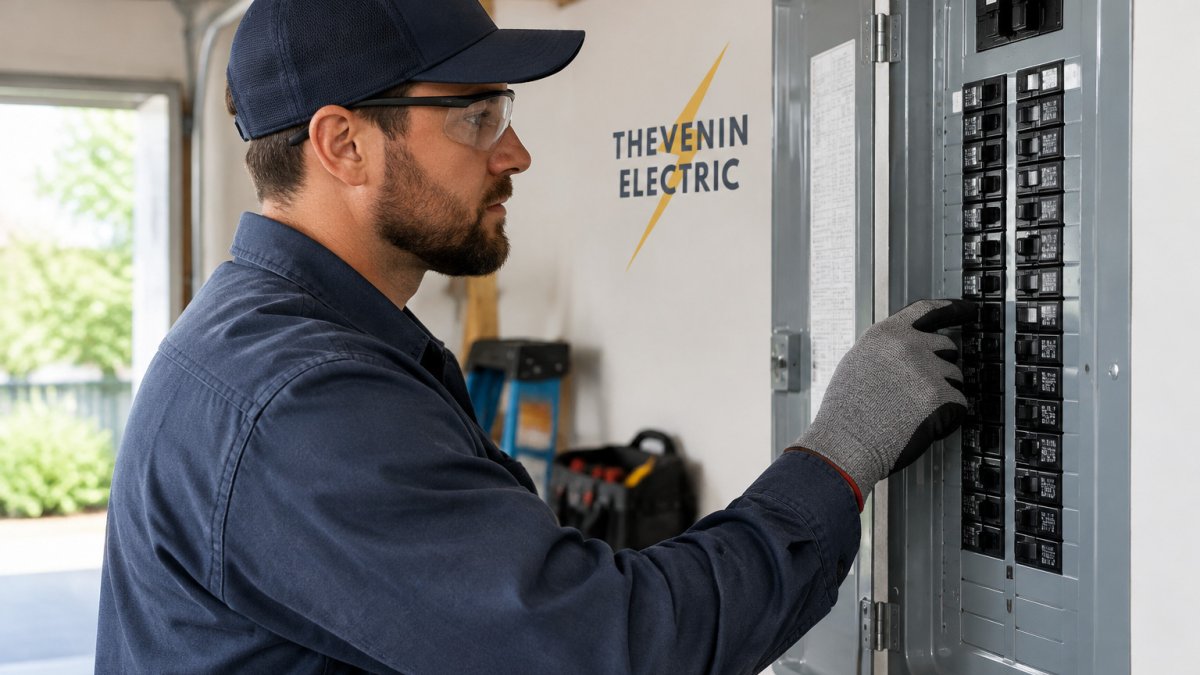
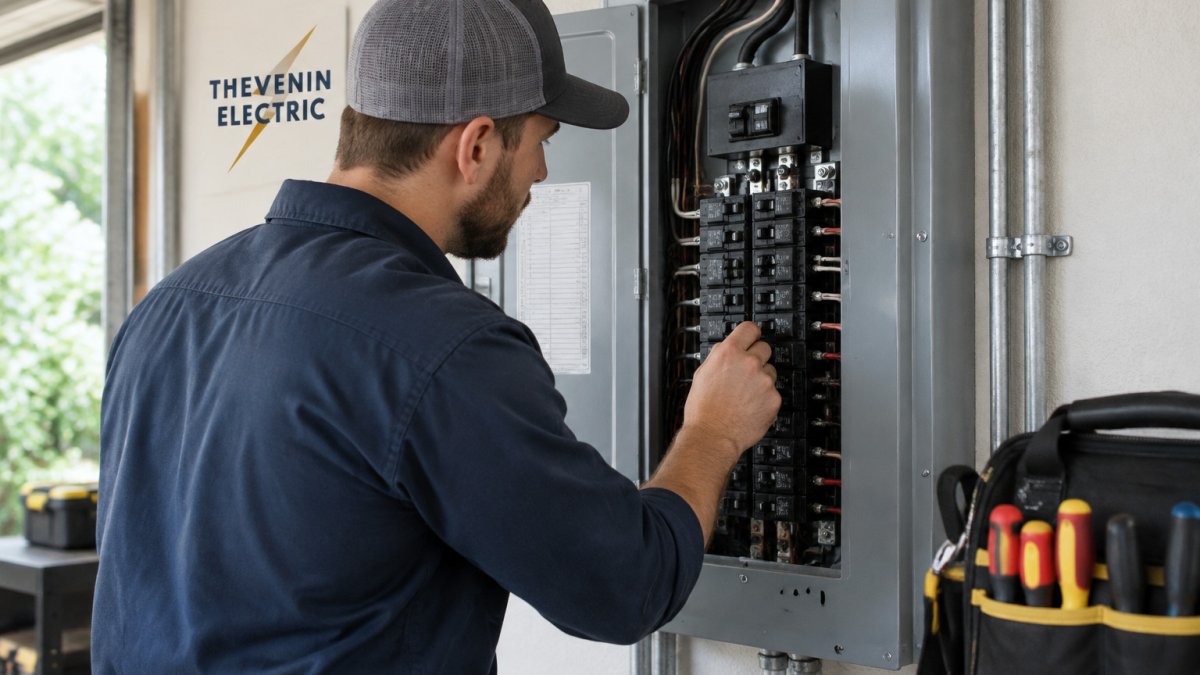
The main panel is the heart of the building's power. An electrician will look for signs of heat, corrosion, loose connections, and labels that no longer match the circuits they control.
They also check whether the panel has spare breaker space for planned equipment. If every slot is full, adding a machine can mean a costly upgrade.
Look for scorch marks, rust, or a burnt smell near the panel.
Confirm breakers are labeled and easy to reach.
Note any missing covers or open knockouts.
Wiring, Outlets, and Visible Hazards
Walk the space and look for damage you can see from the floor. Cracked outlet covers, loose receptacles, and cords stretched across walkways are common findings, and each one is a fire or shock risk.
Ground-fault circuit interrupter (GFCI) outlets should protect areas near water, such as break rooms and restrooms. Test them if you can, and report any that do not reset.
Flag exposed wires, damaged cords, or outlets that feel warm.
Check that outlets near sinks have GFCI protection.
Record any equipment that runs on extension cords.
How Long a Commercial Electrical Inspection Takes
Most inspections of a small commercial space take a few hours. A larger building with several panels and more equipment can take a full day. The time depends on how many panels there are, how much of the wiring is accessible, and whether the electrician needs to open walls or ceilings.
Plan for the inspection to finish before your renewal deadline. If findings require repairs, leave extra time for the work and any follow-up checks.
Reading the Commercial Electrical Inspection Report
The report is the document that turns an inspection into leverage at the negotiating table, so read it as a working tool rather than a receipt. A useful commercial electrical inspection report should do four things: identify each finding, state where it is, describe why it matters, and recommend a fix.
Start with the summary. A well-organized report opens with the most serious findings, exposed live conductors, a scorched panel, missing covers on a live enclosure, or equipment that is visibly overloaded. Those are the items that should be addressed before the space is occupied for another day.
When you review the findings, sort them into three buckets. If a report flags overloaded or missing circuits, you can see commercial dedicated circuits in Corvallis and Albany from Thevenin Electric.
Immediate safety hazards. Anything that could cause shock, fire, or injury today. These should be repaired before renewal, and the repair should be documented.
Repairs needed soon. Failing receptacles, overloaded circuits, missing GFCI protection near water, or equipment running on extension cords. These are worth scheduling before the new term begins.
Plan-for-later items. An older panel nearing its capacity, aging wiring, or equipment that will need replacement in the next few years. These belong in your capital budget, not in an emergency call.
For each finding, ask the electrician to note whether it is a code violation, a safety concern, or a capacity limitation. Those are different problems with different fixes, and the distinction matters when you talk with the landlord.
Documentation is where most tenants leave value on the table. Ask for the report in a format you can share, a PDF with photos of each finding is ideal, and keep a copy with the lease.
Use the report in the renewal conversation. Send the summary and the prioritized list to the landlord before terms are finalized, and propose specific outcomes: repairs completed before the new term starts, a credit against rent, or amended lease language that assigns responsibility for a known issue.
Watch out: an inspection report describes conditions at the time of the visit. If repairs are deferred, note in the renewal documents which findings remain open and who is responsible, so the issue does not quietly become yours by default.
Finally, keep the report current. If the next term is several years long, plan a follow-up inspection before the following renewal so the record stays useful and you are not negotiating from stale information.
Prioritizing Findings by Severity and Cost
Not every finding needs action right away. Sort the list into three groups: immediate safety hazards, repairs needed soon, and items to plan for later.
Immediate hazards, such as exposed live wires or a scorched panel, should be fixed before you occupy the space another day. Repairs needed soon, like a failing outlet or an overloaded circuit, are worth scheduling before renewal. Items to plan for, such as an older panel nearing its capacity, can go into your budget for the next lease term.
Share this sorted list with the landlord. A clear priority order makes negotiation much easier.
Schedule Your Renewal Inspection With Thevenin Electric
Renewal is the right time to know exactly what your electrical system needs. Thevenin Electric is a licensed, bonded, and insured electrical contractor serving Corvallis, Albany, Lebanon, Philomath, and nearby communities. Our team can help with commercial electrical services, panel evaluations, and repairs, and we aim to explain findings in plain terms so you can make a clear decision.
Tenant improvement work and our commercial electrical services cover the kinds of projects that often follow a renewal inspection. When you are ready, reach out to our team to request an inspection or estimate before your lease is signed.
Frequently Asked Questions
Is an electrical inspection required when renewing a commercial lease?
It depends on the lease and the building. Many leases do not require an electrical inspection at renewal, but the tenant or landlord can ask for one, especially if the space has been modified or equipment has been added. Check the lease language on maintenance, compliance, and tenant improvements. If the lease is silent, a documented inspection is a practical way to record the condition of the electrical system before signing. Local permit offices can confirm whether any work already done required inspection.
Who is responsible for electrical repairs in a commercial lease?
Responsibility is set by the lease, not by general rule. Some leases place building systems such as the service entrance and main panel with the landlord, while tenants handle repairs inside their suite or to equipment they installed. A common approach is to note in the lease which party covers which components, and to attach an inspection report so both sides start from the same baseline. Where the lease is unclear, negotiate the split before renewal.
How long does a commercial electrical inspection take?
A walkthrough of a small suite with a single panel usually takes a few hours. Larger spaces, multiple panels, or buildings with older wiring take longer because each circuit and connection needs to be checked. Time also depends on access, such as locked electrical rooms or ceilings that need to be opened. Ask the electrician for an estimated timeline before the visit so you can plan around business hours.
What happens if an electrical inspection finds a safety issue?
The report should list each finding with its location and a suggested fix. Serious hazards, such as exposed live wiring or overheated connections, should be addressed before the space is occupied or before the lease is signed. Less urgent items can be scheduled as corrective repairs and written into the lease. Keep the report with your lease file so the repair history is documented. Repairs that involve service equipment or permits should be done by a licensed electrician.
Comments