
Can Your Panel Handle Hot Tub Wiring? What to Know

Updated: Nov 14
Last Updated: November 1, 2026
Quick Summary
Hot tub wiring means running a dedicated branch circuit from your service panel to the spa, sized to the manufacturer's nameplate and protected by a required GFCI. Start by reading the nameplate for voltage and amperage, then confirm your panel has the capacity, not just a free slot.
Plug-and-play spas use a dedicated 120-volt outlet; full-size spas often need 240 volts and hardwiring.
A GFCI is required, usually as a panel breaker or a spa disconnect with GFCI built in.
The disconnect must be within sight of the equipment and readily accessible.
Open breaker slots do not mean the service can carry the added load; a load calculation decides.
Wire gauge depends on the nameplate, run length, and installation conditions, not amperage alone.
Table of Contents
Start With the Hot Tub's Nameplate, Not the Breaker
Most homeowners start hot tub wiring conversations with a breaker size. That is backwards.
Hot tub wiring is the work of running a dedicated branch circuit from your service panel to a spa, sized to the manufacturer's specifications and protected the way the electrical code requires.
The label lists voltage, amperage, and sometimes a separate requirement for a heater or pump. Below, we walk through what each line means and how to plan the job safely.
Hot Tub Electrical Requirements: Voltage, Amperage, and Circuit Size
Hot tub electrical requirements come down to three numbers on the nameplate: voltage, amperage, and whether the spa needs one circuit or two. Plug-and-play models typically run on a 120-volt outlet, while full-size spas often need 240 volts. The nameplate governs the exact rating for any given spa.

Those are common configurations, not universal rules. Some spas use a dual-circuit setup, with one circuit for the heater and another for pumps and controls.
Plug-and-Play vs. Hardwired Models
Plug-and-play spas are the simpler case. They plug into a dedicated 120-volt outlet, and the cord and plug are part of the listed product.
Hardwired spas connect directly to a junction box with no plug. These are the 240-volt models with larger heaters and multiple pumps. A hardwired connection is not a DIY project for most homeowners.
Why the Hot Tub Needs Its Own Dedicated Circuit
A dedicated circuit serves one load and nothing else.
Here is why that matters. A hot tub pulls a steady, heavy load for hours while the heater runs.
If your breakers trip regularly for other reasons, our article on why breakers keep tripping covers the common causes and when to call an electrician.
For a spa that needs its own circuit run from the panel, see dedicated circuit installation in Corvallis and the surrounding areas we serve.
The main electrical facts from the nameplate and circuit rules break down like this.
Item | Value | Note |
Plug-and-play voltage | 120 volts | Plugs into a dedicated outlet; cord and plug part of listed product |
Full-size spa voltage | 240 volts | Hardwired models with larger heaters and multiple pumps |
Circuit arrangement | One circuit or two | Dual-circuit setups may separate heater from pumps and controls |
Convertible arrangement | Heater runs only when pumps are off | Allowed on some spas |
Dedicated circuit | Serves one load only | Never shared with garage door, lighting, or shop outlet |
GFCI protection | Required, not optional | Usually a panel breaker or a spa disconnect with GFCI built in |
Disconnect | Within sight of equipment, readily accessible | Lets technician or responder cut power without walking to panel |
Hot Tub GFCI Protection and the Disconnect Rule
Hot tub GFCI protection is required, and it is not optional.
A disconnect means a way to cut power to the spa that is within sight of the equipment and readily accessible.
Watch out: skipping GFCI protection or burying the disconnect behind a locked gate fails inspection and leaves a real shock hazard.
For the code text itself, the NFPA 70 National Electrical Code is the reference document, and Oregon adopts it with state amendments.
Hot Tub Electrical Panel Capacity: Space vs. Capacity
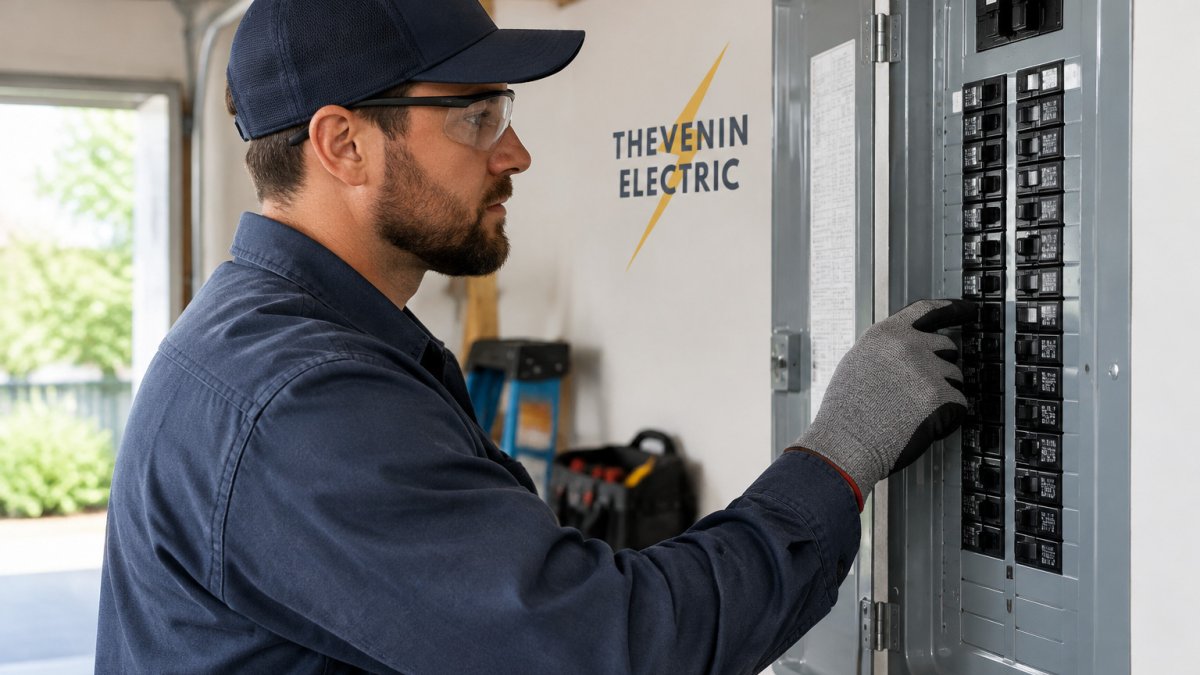
Panel capacity and panel space are two different questions, and homeowners often confuse them. Space is whether there is a free breaker slot. Capacity is whether the electrical service can carry the added load.
You can have two open slots and still not have the capacity for a 50-amp spa. Adding a breaker does not create more power; it just connects a new load to the power you already have.
Load Calculation and the Service-Upgrade Decision
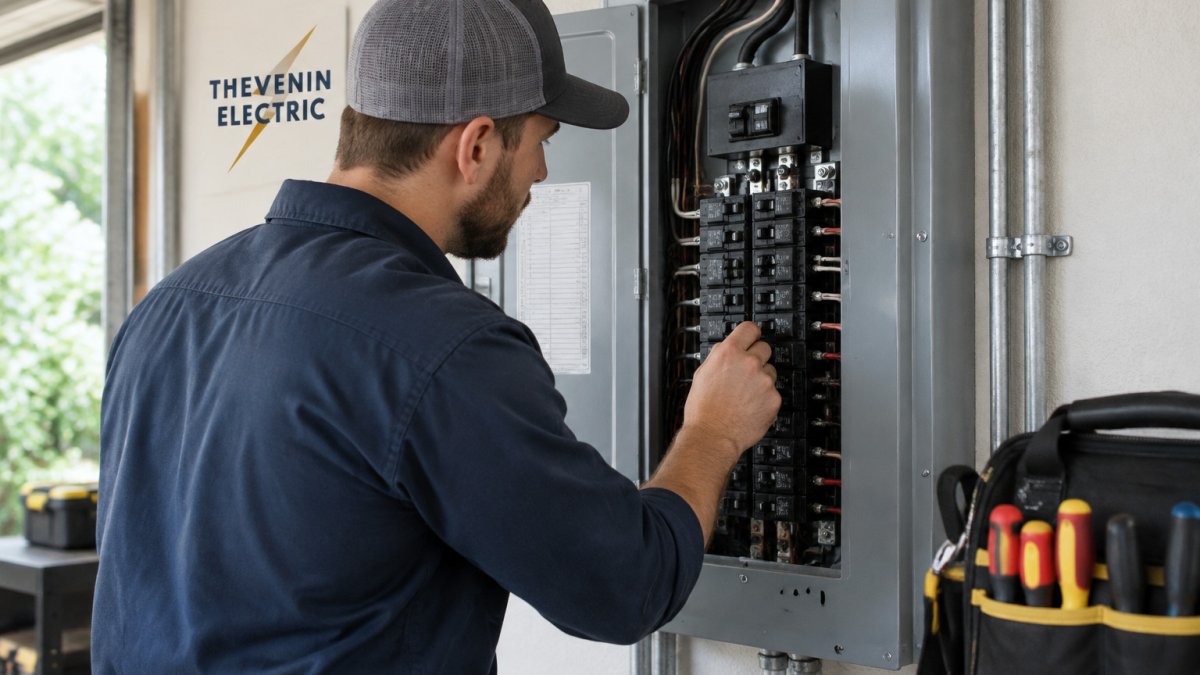
A load calculation adds up the existing loads in the home and compares the total to the service size. That math, not the number of open slots, decides whether a service upgrade is needed.
A 100-amp service does not automatically require upgrading to 200 amps. Sometimes the calculation shows room to spare. Other times the honest answer is that a service upgrade is the right call.
If an upgrade turns out to be necessary, our electrical panel upgrade service covers 100-amp and 200-amp panel replacements and service upgrades. For a deeper look at what drives the numbers, read our breakdown of residential electrical panel upgrade costs.
Wire Gauge, Conduit, and Conductor Sizing
Wire gauge for a hot tub is not a single number you can look up by amperage. It comes out of a chain of decisions: the circuit amperage from the nameplate, the conductor material, the temperature rating of the insulation, the number of current-carrying conductors in the raceway or cable, the ambient temperature, and how the wire is installed.
Here is the chain in the order an electrician actually works it.
Start With the Circuit Amperage
The nameplate gives you the load. The breaker and conductor are sized to carry that load continuously, which is why a spa circuit is not sized the same way as a general-purpose outlet circuit. A 50-amp spa circuit and a 60-amp spa circuit call for different conductors, and a dual-circuit spa may call for two separate runs.
Then Apply the Correction Factors
Conductor ampacity tables in the National Electrical Code list base ampacities by wire size, material, and insulation temperature rating. Those base numbers are then adjusted for conditions:
Ambient temperature. A conduit run across a sunny patio or through a hot attic derates the conductor.
Number of conductors. More current-carrying conductors bundled in one raceway means more adjustment.
Termination ratings. The breaker and the spa's terminal block have their own temperature ratings, and the conductor's usable ampacity is limited by the lowest-rated termination in the circuit.
This is why two spas with the same 50-amp nameplate can legally need different wire. A short run in cool shade and a long run in a hot conduit are not the same installation.
Copper vs. Aluminum
Copper is the standard for spa branch circuits. Aluminum is sometimes used for larger feeders and service conductors, but it follows different sizing rules and needs terminations listed for aluminum. For a typical residential spa circuit, copper is the practical choice, and mixing materials without the right connectors is a known failure point.
Conduit and Burial
Conduit protects the wire and defines the physical route. The type and size depend on the conductors inside, whether the run is indoors or outdoors, whether it is buried, and the installation conditions along the way. Direct-burial cable, PVC conduit, and rigid conduit each have their own rules for depth, protection, and support. A run that crosses a driveway, passes under a deck, or emerges from grade needs to be planned for those transitions, not improvised on the day of the install.
Watch Out There is no correct wire size for "a hot tub" in the abstract. A wire gauge quoted without the nameplate, the run length, and the installation conditions is a guess. Wire sizing is one of the places where a shortcut becomes a hot conductor, a tripped breaker, or a failed inspection.
What This Means for Your Project
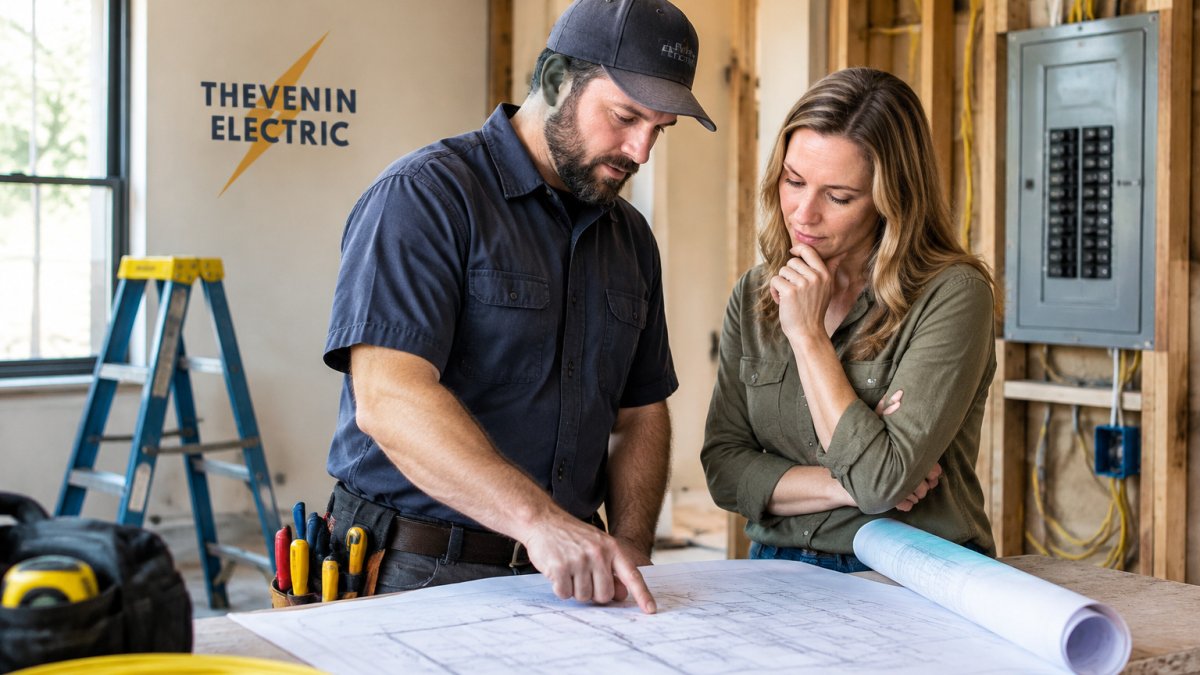
Wire and conduit decisions belong to the electrician doing the load calculation and the site walk. Bring the nameplate, note where the spa will sit, and describe the route from the panel, since those three pieces of information drive the conductor, the conduit, and the breaker together.
The Hot Tub Wiring Permit and Inspection Process
Most jurisdictions require a permit for a new spa circuit, and the work gets inspected before the spa is energized. Permit rules and inspection schedules vary by jurisdiction, so confirm the local requirement before work starts.
The process usually looks like this:
Confirm the permit requirement with the local building department.
Pull the permit before any wiring begins.
Install the circuit, GFCI protection, disconnect, and bonding per code.
Schedule the inspection.
Energize the spa only after the inspection passes.
Skipping the permit can complicate a home sale and may void manufacturer warranties. It also means no third-party check on a circuit that sits in water.
Site Layout, Placement, and What Drives Installation Cost
Most hot tub wiring problems are decided before anyone pulls wire. Where the spa sits, how the conduit reaches it, and where the disconnect lands determine the route, the materials, and the labor. Getting the layout right early is cheaper than moving a spa after the concrete is poured.
Placement Decisions That Affect the Wiring
A few placement questions come up on almost every spa project:
Distance from the panel. A spa on the far side of the house from the service panel means a longer run, more conduit, and more voltage drop to manage. A spa near the panel is a simpler job.
Indoor vs. outdoor. An indoor spa raises questions about ventilation, moisture, and how the conduit enters the room. An outdoor spa raises questions about weather exposure, burial, and drainage.
Surface of the route. Finished walls, decks, patios, and landscaping all change how the conduit gets from point A to point B. A route that crosses a finished patio may need to go under it; a route along a fence line may be simpler.
The Disconnect and Clearances
The disconnect must be within sight of the spa equipment and readily accessible. That single requirement drives a lot of layout decisions. If the only place a disconnect can go is behind a locked gate or on the far side of a deck, the layout needs to change. Clearances around the spa and the equipment are set by the manufacturer's instructions and the adopted code, and they are worth confirming before the spa is delivered, not after.
Conduit Routing and Burial
The route from the panel to the spa is where most of the site-specific cost lives. An electrician planning the run is thinking about:
Whether the conduit is buried, surface-mounted, or run through a structure
Burial depth and protection where the run crosses traffic areas
How the conduit enters the spa cabinet and the disconnect enclosure
A route that looks short on paper can be the expensive one if it crosses a driveway or a finished patio. A longer route along a fence line can be cheaper to install. That is why the site walk matters more than the square footage of the yard.
What Drives the Cost
Hot tub wiring cost is driven by the scope of the work, not by a single rate. The main factors are:
Distance and route from the service panel to the spa, including trenching or conduit work
Panel capacity and whether a panel or service upgrade is part of the job
Permit and inspection fees set by the local jurisdiction
A number quoted without seeing the site is unreliable, because two spas on the same street can need very different work. A clear scope and a total price beat a guess, and a site walk is how that scope gets defined.
Pro Tip Before the spa is delivered, have the placement, the disconnect location, and the conduit route settled. Moving a spa after the wiring is in is a much bigger job than planning it once.
Schedule a Hot Tub Circuit Evaluation
The right first step is a nameplate reading and a load calculation, not a breaker purchase.
Thevenin Electric is a licensed, bonded, and insured Energy Trust of Oregon Trade Ally, and you work directly with the licensed electrician doing the job.
Contact Thevenin Electric to schedule a hot tub circuit evaluation before your spa is delivered. Reach us through our contact page or call (541) 250-3503.
Frequently Asked Questions
Does a hot tub need a dedicated circuit?
Yes. A hot tub draws a large, continuous load from its pump, heater, and controls, so it needs its own branch circuit running from the service panel. Sharing that circuit with receptacles, lighting, or appliances would overload it and trip the breaker. The dedicated circuit's voltage and amperage come from the manufacturer's nameplate, not from a guess. A 120-volt plug-and-play model still needs a dedicated 120-volt outlet, while a 240-volt model needs a hardwired circuit sized to its rating.
Does a hot tub need GFCI protection?
Yes. Hot tub GFCI protection is required, and it is the single most important safety feature on the circuit. The GFCI is typically installed as a breaker in the service panel or as a spa disconnect with built-in ground-fault protection located within sight of the tub. It cuts power when current leaks to ground, which protects people standing in or near water. Test the GFCI monthly using its test button and have a licensed electrician investigate if it trips repeatedly.
Can I wire a hot tub myself?
Running the circuit, terminating conductors, and connecting a hardwired spa involve permit work, panel connections, and code requirements that most homeowners should not take on. A safe split is to handle the non-electrical prep, such as clearing the site and confirming the model's nameplate, and leave the circuit, disconnect, and panel work to a licensed electrician. That keeps the installation code-compliant and keeps the inspection from failing over details like conductor sizing or disconnect placement.
Does a hot tub installation require an electrical permit?
In most jurisdictions, adding a hot tub circuit requires an electrical permit and an inspection before the tub is energized. The permit process confirms the circuit size, GFCI protection, disconnect, and wiring method meet the adopted code. Requirements vary by jurisdiction, so confirm the local rule before work begins. A licensed electrician can pull the permit, meet the inspector, and correct any issues so the job passes the first time.
A spa that sits unplugged because the panel was never checked is a frustrating outcome. We would rather tell you what your panel can handle up front than have you find out after the concrete is poured. If you want a straight answer on your hot tub wiring, get in touch and we will walk the site with you.
Comments