
A Positive Electric Alternative for Residential Power

Table of Contents
What a Positive Electric Alternative Means for a Household
Side-by-Side Comparison of Residential Electricity Alternatives
Total Cost of Ownership and Payback on Home Energy Systems
Availability by Utility Territory and Housing Type
Reliability, Backup Power, and Outage Performance
Your Electrician Comparison Checklist Before You Hire
Questions to Ask an Electrician About an Alternative Energy Plan
Electrical Work Estimate Checklist and Residential EV Charger Installation
Frequently Asked Questions
Last Updated: October 18, 2026
What a Positive Electric Alternative Means for a Household
A positive electric alternative for residential power is any option that changes how a home gets, stores, or uses electricity rather than simply drawing more from the utility. For most households, that means one of three things: generating power on site, managing demand so the existing service goes further, or upgrading the electrical infrastructure so the home can support modern loads safely.
The phrase gets used loosely online, sometimes as shorthand for going off-grid, sometimes for a new panel. In practice, a positive electric alternative is a practical decision about where your power comes from, how much you can handle at once, and what your wiring can safely support.
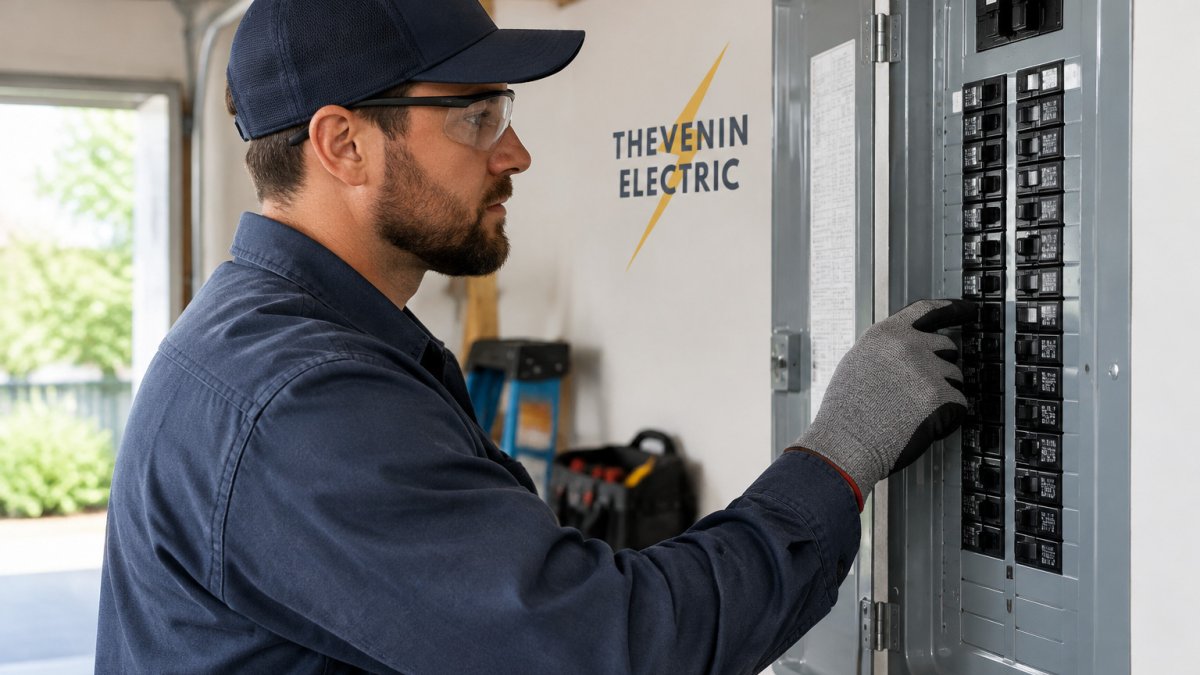
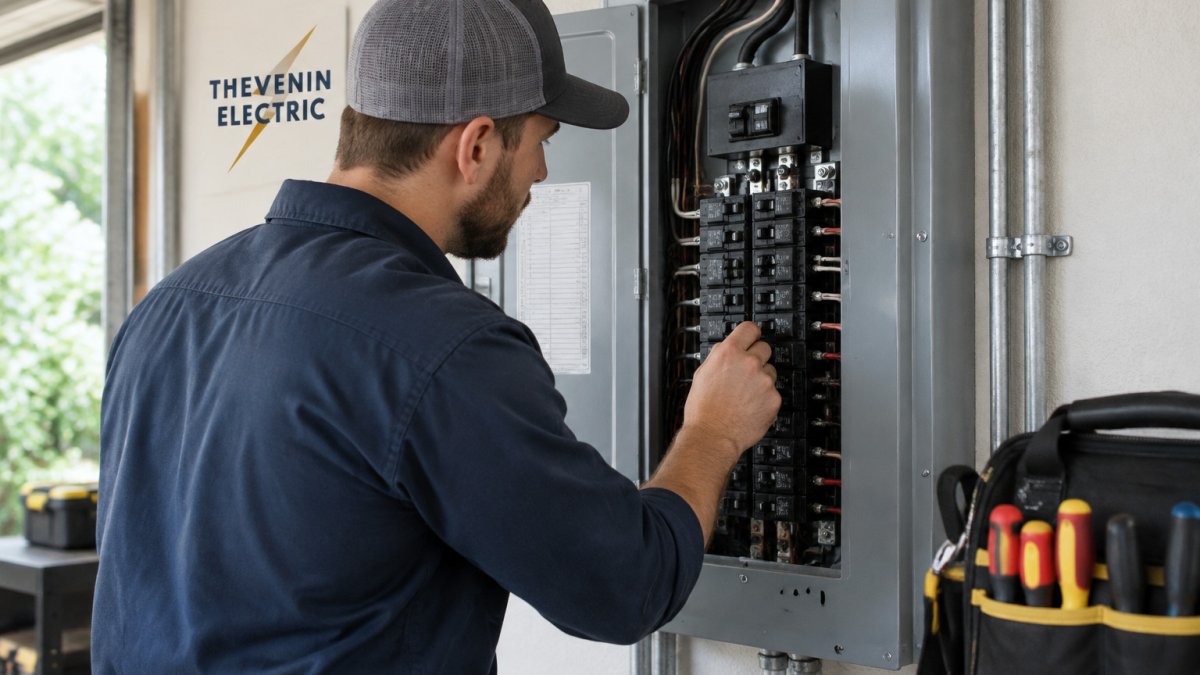
Thevenin Electric works on the infrastructure side of that decision: service capacity, panel condition, dedicated circuits, and code-compliant installation. Before choosing any alternative, a homeowner needs an honest system evaluation, because solar panels, batteries, and heat pumps all depend on wiring that can carry the load.

Watch Out A common mistake is buying generation equipment before checking the panel. If the service or panel can't safely accept the new load, the project stalls at inspection and costs more than planned.
Side-by-Side Comparison of Residential Electricity Alternatives
No single alternative wins for every house. The right choice depends on what problem you're solving: high bills, outages, a new appliance, or a remodel.
Alternative | What It Changes | Main Constraint | Best For |
Rooftop solar | Where power comes from | Roof condition, utility interconnection rules | Homes with good sun exposure and long ownership plans |
Battery storage | When power is available | Panel capacity, backup load selection | Households wanting outage protection |
Adds a major new load | Available service capacity and breaker space | Owners charging at home nightly | |
Panel or service upgrade | How much load the home can carry | Utility coordination, permit and inspection | Older homes adding large appliances |
Smart home and load management | How loads are controlled | Existing wiring and device compatibility | Homes with limited capacity |
Efficiency upgrades | How much power is used | Insulation, appliance age, air sealing | Every household, before anything else |
Here's what each constraint actually means in practice.
Rooftop solar. The panels are the simple part. The constraint is interconnection: your utility has rules for how much generation can be tied to the grid and what equipment is required at the point of connection.
Battery storage. A battery doesn't back up the whole house by default.
EV charger installation. A Level 2 charger is a continuous load, sized differently than a general-purpose circuit.
Panel or service upgrade. This is the option most often confused with the others. A panel upgrade replaces the enclosure and breakers; a service upgrade changes the capacity of the service itself.
Smart home and load management. These devices control when large loads run so they don't all draw at once. They work best when existing wiring supports them and the devices are compatible with what's installed.
Efficiency upgrades. Air sealing, insulation, and appliance replacement reduce the load before you size anything else.
The pattern is clear: generation and storage get the attention, but the wiring and service behind them decide whether the project is feasible.
Pro Tip Ask each installer which constraint in this table applies to your home and why. A specific answer, roof age, service capacity, utility rule, load calculation result, tells you they evaluated your house. A generic answer tells you they didn't.
Total Cost of Ownership and Payback on Home Energy Systems
Payback on any home energy system depends on four cost buckets, and homeowners usually budget only for the first: equipment, installation labor, permitting and inspection, and any additional electrical work the installation requires.
That last bucket surprises people. A battery or EV charger may need a dedicated circuit, a panel change, or a service upgrade before it can be connected. Those costs belong in the total, not the equipment quote.
We don't publish payback figures because they depend on your utility rate, usage, and equipment. Any installer who hands you a precise payback number without reviewing your bill and panel is guessing. Ask for the electrical scope in writing and compare total installed cost, not sticker price.
Availability by Utility Territory and Housing Type
Availability varies more than most buyers expect. Solar and battery interconnection rules are set by the utility serving the address and differ from one territory to the next. Homes in a historic district, an HOA, or a shaded lot face additional limits.
Housing type matters just as much. A detached house with a garage and an accessible panel is straightforward. A townhome with a shared meter bank, a rental, or a home with a panel in a finished basement may need a different approach or extra coordination.
The Oregon Public Utility Commission publishes consumer information on utility regulation and interconnection, and Energy Trust of Oregon outlines which efficiency upgrades may qualify for incentives. Eligibility is never automatic.
Pro Tip Before committing to any alternative, confirm three things: who your utility is, what your panel's capacity actually is, and whether your insurer or HOA has conditions. Those three answers shape the whole project.
Reliability, Backup Power, and Outage Performance
Outage performance is where alternatives separate from each other, and it's the factor most often misunderstood.
Start with solar alone. A grid-tied solar array shuts down during an outage by design. The inverter needs a grid reference to operate, and lineworkers repairing utility lines need to know the lines are de-energized. That's a safety requirement, not a defect.
Battery storage changes that, but only for the circuits an electrician designs into the backup load panel. A transfer mechanism isolates those circuits from the grid during an outage, then supplies them from the battery; everything outside the backup panel goes dark.
Whole-home backup is possible, but it costs more than most homeowners assume because the equipment must be sized to the entire service load, not just the loads you care about during an outage.
Generators are another path with their own requirements. A generator connected to a home's wiring needs transfer equipment so it can't backfeed utility lines, and the installation has to match the generator's capacity to the loads it will carry.
Whichever route you take, the reliability gain depends on the wiring and transfer setup, not just the hardware.
Watch Out Don't size backup equipment before deciding which circuits you want to keep running. The load list drives the equipment size, the panel work, and the scope, not the other way around.
A practical approach: list the circuits you'd want during a multi-day outage, then ask an electrician whether partial backup can support those loads, what equipment that requires, and what the wiring scope looks like. That conversation beats comparing battery capacities on spec sheets.
Your Electrician Comparison Checklist Before You Hire
Hiring well matters more than picking the cheapest bid. Use this checklist when comparing electricians for any alternative energy project:
License number is current and verifiable with the state
Bond and insurance confirmed in writing
The person quoting is the licensed electrician doing the work
Scope of work is written out, including what's excluded
Permit responsibility is stated clearly, not left vague
Panel and service condition are assessed before a quote is given
Load calculation is discussed, not skipped
Timeline and communication expectations are set upfront
Questions are answered in plain English, not deflected
Reviews are recent and specific to similar work
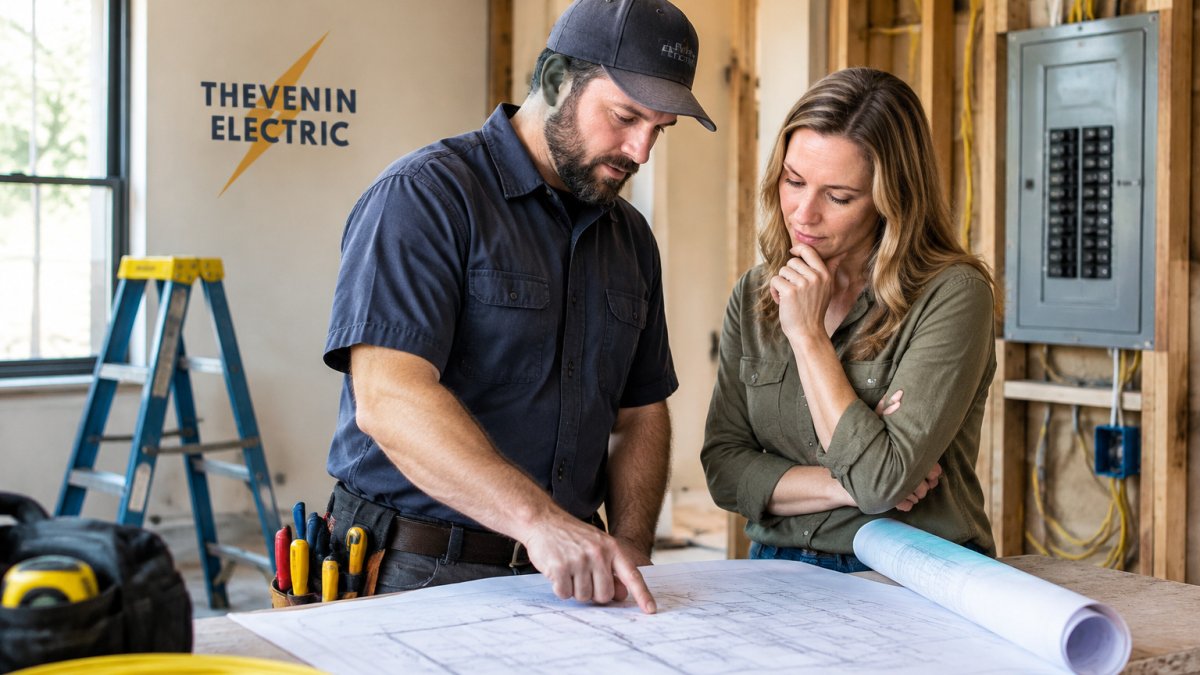
A quote without a site assessment is a guess. At Thevenin Electric, you'll work directly with the licensed electrician doing the job, so the scope and the work stay connected.
Questions to Ask an Electrician About an Alternative Energy Plan
Ask direct questions and listen for direct answers. These reveal whether an electrician is evaluating your home or just selling equipment:
Will this require a service upgrade, or can it work on the capacity I have?
Is a load calculation part of the quote, and will I see it?
What permits and inspections apply, and who files them?
Does this equipment need a dedicated circuit or a subpanel?
What happens to the system during a grid outage?
Are there lower-amperage or load-managed options that avoid a bigger upgrade?
What's excluded from this scope?
That last question matters most. Most budget surprises come from work that was never in the original scope.
Key Takeaway The best answer to "do I need a service upgrade?" is a load calculation, not a sales pitch. A licensed electrician should be able to explain the variables before recommending the most expensive option.
Electrical Work Estimate Checklist and Residential EV Charger Installation
An estimate should tell you what will be done, what it costs, and what could change. Bring this checklist to the conversation:
Total price and payment schedule
Written scope of work with materials specified
Permit and inspection fees, listed separately
Whether drywall repair or trenching is included
Contingency language for hidden conditions
[ ]
[ ]
Contact for questions during the project
Residential EV charger installation is a good test case. A 240-volt Level 2 charger adds a continuous load, and continuous loads are sized differently than general circuits. Some homes have room on the panel; others don't. Lower-amperage charging or an approved energy management system can sometimes avoid a service upgrade entirely, which is why a load calculation comes first. National Fire Protection Association publishes the electrical code that Oregon adopts with amendments, and Oregon Building Codes Division handles statewide code adoption and licensing.
Wire sizing depends on the circuit requirements, conductor type, temperature ratings, and installation conditions. Anyone who quotes a wire size before checking those factors is skipping steps.
Adding a major electrical load is a decision worth getting right the first time. If you're weighing solar, storage, an EV charger, or a panel upgrade in the Corvallis or Albany area, Thevenin Electric can evaluate your service and panel, explain your options in plain English, and give you a clear scope before any work begins. We're licensed, bonded, insured, and an Energy Trust of Oregon Trade Ally, and you'll work directly with the licensed electrician doing the job.
Frequently Asked Questions
What are some alternative sources of power for homes?
The main options are rooftop solar panels, small wind turbines where the site allows, battery storage paired with solar, and standby generators for outages. Each one changes your home energy system differently. Solar and wind generate power on site, batteries store it, and generators cover outages without lowering your normal electric bill. Efficiency upgrades like insulation and LED lighting are the cheapest alternative of all because they shrink household electricity needs before you buy any equipment. A licensed electrician can evaluate your panel and wiring to see what your home can actually support.
Can an electrician install an EV charger without upgrading the electrical service?
Often, yes. Residential EV charger installation depends on your electrical service capacity, your panel's breaker space, and the charger's amperage. A lower-amperage charger or an approved energy management system that pauses charging when other loads are high may remove the need for a service upgrade. That is why a system evaluation comes first: the electrician checks the panel, the available capacity, and the run to the garage. Do not assume a 100-amp service automatically means a 200-amp upgrade is required. Ask for the load calculation in writing.
How do I compare residential electricians before hiring one?
Use an electrician comparison checklist: confirm the license and insurance, ask whether the licensed electrician doing the work is the one you meet, request a written scope, and ask how change orders are handled. Get more than one estimate for anything beyond a small repair. Read reviews for follow-through, not just price. A dependable service company will explain the code requirements that apply and put the total price and scope in writing rather than quoting a vague ballpark over the phone.
What should a residential electrical estimate include?
A solid estimate names the scope of work, the equipment being installed, whether permit and inspection costs are included, and the total price. It should state what happens if the electrician finds unexpected conditions behind the wall. It does not have to itemize every screw and wire, but the scope must be clear enough that two bids cover the same work. For panel upgrades or solar prep, ask whether the estimate accounts for meter coordination with your utility and any code-ready installation details.
Request a Quote
Comments